


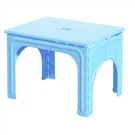


A damaged stool mould can indeed be repaired, and this is a topic of significant importance to both stool mould suppliers like myself and our clients. In the manufacturing industry, stool moulds play a crucial role in producing various types of stools efficiently and consistently. However, due to the nature of their use, they are prone to damage over time. Understanding the repair possibilities not only helps in cost - saving but also ensures the continuous operation of the production line.
Types of Stool Moulds and Their Damage Susceptibilities
As a stool mould supplier, I offer a wide range of stool moulds, such as Baby Stool Mould, Pc Stool Mould, and Double Color Stool Mould. Each type has its unique design and function, which also means different susceptibilities to damage.
Baby stool moulds are usually smaller and more delicate. They are often used to produce stools with intricate designs for infants. The damage to these moulds can occur in the form of surface scratches, especially around the detailed areas. These scratches can affect the smoothness of the baby stools produced, potentially causing discomfort to the users. In some cases, the mating surfaces of the mould may also get damaged due to frequent opening and closing during the production process.
PC stool moulds are used for manufacturing stools made of polycarbonate (PC) material. These moulds can tolerate relatively high temperatures during the injection - molding process. However, they are susceptible to thermal stress. Repeated heating and cooling cycles can cause micro - cracks in the mould material. Also, the high - pressure injection of the PC material can lead to wear and tear on the cavity walls of the mould.
Double color stool moulds are more complex in design as they are used to produce stools with two different colors. The damage to these moulds can be more severe and difficult to detect. For example, the channels for injecting different colors may get clogged, or the alignment mechanisms between the two - color parts may be misaligned, leading to uneven color distribution on the final stools.
Causes of Stool Mould Damage
There are several factors that can cause damage to stool moulds. One of the primary causes is mechanical wear. During the injection - molding process, the molten material is injected into the mould cavity at high pressure. This continuous pressure can cause the walls of the cavity to gradually wear down. Additionally, the ejection of the finished stools from the mould can also cause abrasion on the mould surface.
Another significant cause is corrosion. If the mould is not properly cleaned and maintained after use, residual moisture and chemicals from the molding material can cause corrosion. This is particularly true for moulds used in environments with high humidity or when dealing with certain types of plastics that contain corrosive substances.
Thermal stress is also a major culprit. As mentioned earlier, the repeated heating and cooling cycles during the injection - molding process can cause the mould material to expand and contract. Over time, this can lead to the formation of cracks, especially in areas with stress concentrations.
Repair Possibilities for Damaged Stool Moulds
The good news is that many types of damage to stool moulds can be repaired. For minor surface scratches, polishing is a common repair method. By using specialized polishing tools and abrasives, the scratches can be smoothed out, restoring the surface finish of the mould. This is a relatively simple and cost - effective repair method, especially for baby stool moulds where the surface quality is crucial.
In cases of micro - cracks caused by thermal stress or mechanical wear, welding can be used to repair the mould. However, this requires a high level of skill and experience. The welder needs to select the appropriate welding rod that matches the material of the mould to ensure a strong and durable repair. After welding, the repaired area needs to be machined and polished to restore the original shape and surface finish of the mould.
If the channels in a double color stool mould are clogged, they can be cleaned using specialized cleaning agents and tools. Ultrasonic cleaning is often used to remove stubborn debris from the channels. In some cases, if the alignment mechanisms are misaligned, they can be adjusted or replaced to ensure the proper functioning of the mould.
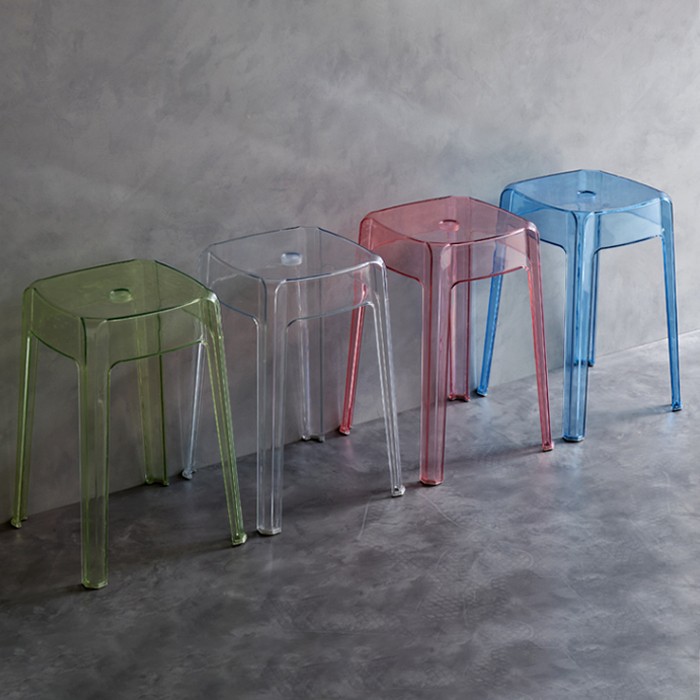

Factors Affecting the Repair Decision
When deciding whether to repair a damaged stool mould, several factors need to be considered. The cost of repair is an important factor. In some cases, the cost of repairing a severely damaged mould may be close to or even higher than the cost of purchasing a new one. In such situations, it may be more cost - effective to replace the mould.
The time required for repair is also crucial. In a production environment, any downtime can result in significant losses. If the repair process takes too long, it may disrupt the production schedule. Therefore, it is important to estimate the repair time accurately and balance it against the production needs.
The remaining service life of the mould after repair should also be evaluated. If the mould has already undergone multiple repairs and is approaching the end of its natural service life, it may be more practical to invest in a new mould.
Importance of Regular Maintenance in Reducing Damage
As a stool mould supplier, I always emphasize the importance of regular maintenance to my clients. By following a proper maintenance schedule, many types of damage can be prevented or detected early. For example, regular cleaning can prevent corrosion and the build - up of debris in the mould. Lubrication of the moving parts can reduce mechanical wear and ensure smooth operation.
Inspection is also a key part of maintenance. Regular inspections can help detect early signs of damage, such as small cracks or surface wear. By addressing these issues promptly, the need for major repairs can be minimized, and the service life of the mould can be extended.
Conclusion
In conclusion, a damaged stool mould can often be repaired, but the decision depends on various factors such as the type and extent of damage, the cost of repair, and the production requirements. As a supplier, I am committed to providing my clients with the best solutions, whether it is repair or replacement. If you are in the market for high - quality stool moulds or need advice on mould repair and maintenance, I encourage you to contact me for further discussion. We can explore the options together and find the most suitable solution for your business needs.
References
- "Mould Design and Manufacturing Handbook"
- "Plastic Injection Molding Technology"
- Industry reports on stool mould manufacturing and maintenance