

Latest Products


Contact Us
- No.8 Shangxian Road North Industry Zone, Huangyan, Taizhou, China
- info@halomould.com
- +8613750618222
 Plastic Storage Box Mold
Plastic storage box molds are specialized industrial tools designed for the high-volume manufacturing of storage containers through injection molding. These molds are engineered to produce durable,
Add to Inquiry Plastic Pot Mould
Plastic pot moulds are crucial tools for the production of plastic pots, and our company is committed to providing top-quality moulds that meet the needs of our clients.With our high-quality
Add to Inquiry Plastic Flower Planter Mould
Our plastic flower planter mould is a top-notch product designed to help meet your planter moulding needs.The mould is made of high-quality material that guarantees durability and long-lasting
Add to Inquiry Plastic Garden Pot Mould
Our plastic garden pot mold is the perfect investment for your gardening needs.It is a durable and strong product that is designed to last for a long time.Our garden pot mold is made from
Add to Inquiry Plastic Food Packaging Mould
Our plastic food packaging moulds are designed to meet the specific requirements of our clients. Our moulds are made of high-quality materials that ensure durability and reliability.
Add to Inquiry Plastic Planter Mould
At our company, we use only the highest quality plastic materials for our planter moulds.Plastic planter moulds are designed to create perfectly shaped and sized planters, which can be customized
Add to Inquiry Plastic Plant Pot Mould
Our plastic plant pot moulds are made of top-quality materials that are sturdy, durable, and long-lasting.Our plastic plant pot moulds are perfect for creating a wide range of plant pots, from small
Add to Inquiry Plastic Food Box Mould
Plastic food box mould is an essential tool in the packaging industry. This mould is designed for the manufacture of safe, reliable and hygienic food containers. Moulds are made of high-quality
Add to Inquiry Plastic Food Receptacle Mould
The main materials of plastic food container molds are ABS, PP and ps, and plastic food container molds are durable, flexible and reliable. Our company offers quality products, customized services,
Add to Inquiry Plastic Food Container Mould
Plastic food container molds play a vital role in the packaging industry. They are used to produce various types of food containers such as lunch boxes, bowls, cups and trays. These plastic food
Add to Inquiry-
Flower Pot Plastic Mould
Flower pot plastic mold is a special mold for the production of various flower POTS. It is made of high-quality plastic materials, with light, strong, durable, beautiful and other characteristics. It
Add to Inquiry -
Round Storage Box Mould
Round storage box moulds are used to manufacture round-shaped containers that are typically used for storage purposes. These containers are commonly made from plastic and come in various sizes,
Add to Inquiry

why choose us

Halomould: Your Leading Houseware Mould Supplier
Halomould Company was founded in TaiZhou Huangyan City, which is one of the biggest mould towns in China. We offer you a full range of plastic injection moulding services, from design and prototyping to mould making and a wide range of additional services. We make all kinds of plastic injection moulds , like household moulds , outdoor furniture moulds, baby products molds, etc.
Advantages of Houseware Mould
Mass production
Houseware molds enable efficient mass production of identical parts, allowing for large-scale manufacturing with reduced labor costs and increased productivity.
Consistent quality
With houseware molds, each produced item is consistent in dimensions, shape, and surface finish. This ensures uniformity and high-quality standards across the entire production batch.
Design flexibility
Houseware molds can be customized to create a wide range of designs and shapes, allowing manufacturers to meet diverse customer preferences and market demands. Customization options include product size, color, texture, and other design features.
Cost-effectiveness
Once the houseware mold is fabricated, the cost per unit decreases significantly. This makes it a cost-effective production method for large quantities, as economies of scale come into play.
Faster production cycles
Houseware molds enable faster production cycles compared to traditional production methods. The molds can be designed for high-speed production processes such as injection molding or blow molding, resulting in shorter lead times and increased efficiency.
Material versatility
Houseware molds can be used with a variety of materials, including plastics, metals, and composite materials. This versatility allows manufacturers to choose the most suitable material for each specific application, balancing factors such as durability, aesthetics, and functionality.
Common Types of Houseware Molds

Laundry Basket Mould
A laundry basket mold is used to manufacture laundry baskets, which are essential for organizing and carrying laundry. The mold is designed to create the desired shape and structure of the laundry basket, including handles, ventilation holes, and any additional features. This allows for efficient mass production of laundry baskets with consistent quality.
Kitchen Mould
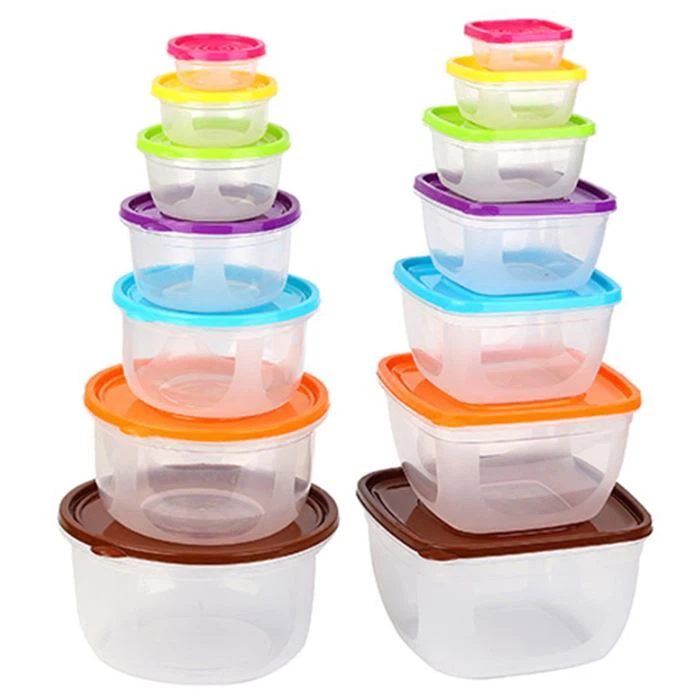
A kitchen mold is used in the production of various kitchenware items, such as utensils, cutting boards, bowls, and more. The mold is customized to create the specific design and functionality required for each kitchen product. Kitchen molds enable the mass production of these items, ensuring uniformity, durability, and efficiency in the manufacturing process.

Storage Box Mould
Storage box molds are used to manufacture storage containers and boxes that help organize and store various items. These molds are designed to produce containers with different sizes, shapes, and features such as lids, handles, and compartments. With storage box molds, manufacturers can produce a variety of storage solutions efficiently and consistently.

Cabinet Mould
Cabinet molds are utilized in the production of cabinets, which are essential furniture pieces for storage and organization in homes, offices, and other spaces. The molds are designed to create the different components of the cabinet, such as panels, doors, shelves, and drawers. Cabinet molds enable manufacturers to produce cabinets with precise dimensions, sturdy construction, and customizable features.
Application Of Houseware Molds
Kitchenware
Many kitchenware items are produced using houseware molds, including cookware, cutlery, tableware, plates, cups, and glasses. These molds allow for efficient production of items with precise dimensions and consistent quality.
Food storage
Houseware molds are also used to create food storage containers such as plastic food containers and resealable bags. The molds allow for the production of containers with different sizes and features such as air-tight seals, locks, and transparent windows.
Home organization
Houseware molds are used in the production of various home organization products such as shelves, hangers, storage bins, and laundry baskets. These molds enable the mass production of items with uniformity, durability, and customizable features.
Bathroom accessories
Houseware molds are used to manufacture bathroom accessories such as soap dishes, toothbrush holders, and shower caddies. The molds allow manufacturers to produce these items efficiently and consistently with high-quality standards.
Cleaning tools
Houseware molds are used to create cleaning tools such as brooms, mops, dustpans, and scrub brushes. The molds ensure that these items are produced with precise dimensions and sturdy construction, allowing for efficient and effective cleaning.
Pet accessories
Houseware molds are used to manufacture pet accessories such as food and water bowls, litter boxes, and pet beds. The molds enable manufacturers to produce these items with customized designs and features that cater to pets' needs and preferences.
Common Moulding Methods are Used in Houseware Molds
Injection molding is a widely used molding method for houseware molds. It involves injecting molten material, typically plastic, into a mold cavity. The material is then cooled and solidified, resulting in the desired shape of the houseware product. Injection molding allows for high production volumes, complex designs, and precise detailing.
Blow molding is commonly used for producing hollow containers such as bottles, jugs, and storage tanks. In this process, a tube-like parison of molten plastic is extruded and placed inside a mold cavity. Compressed air is then used to inflate the parison, making it conform to the shape of the mold. After cooling, the molded product is ejected. Blow molding is efficient for large-scale production of hollow houseware items.
Compression molding involves placing a pre-measured amount of material, such as thermosetting plastics or rubber, into a heated mold cavity. The mold is then closed and pressure is applied, causing the material to take the shape of the mold. The material is cured or hardened through heat and pressure. Compression molding is suitable for producing houseware products with intricate shapes and varying wall thicknesses.
Thermoforming is a process used for producing thin-walled houseware items such as disposable plates, cups, and trays. It involves heating a plastic sheet until it becomes pliable, then draping or pressing it over a mold to create the desired shape. Vacuum or pressure may be used to aid in the forming process. Thermoforming is a cost-effective method for high-volume production.
Rotational molding, also known as rotomolding, is a process used for producing large, hollow products such as storage tanks, bins, and playground equipment. It involves rotating a mold around two perpendicular axes while heating it. The plastic material inside the mold gradually coats the inner surface, creating the desired shape. Rotational molding allows for the production of complex shapes with a uniform wall thickness.
Common Materials compatible with homeware molds
Thermoplastics: Thermoplastics are widely used in houseware mold production due to their versatility, durability, and ease of processing. Common thermoplastics used include polypropylene (PP), polyethylene (PE), polystyrene (PS), acrylonitrile butadiene styrene (ABS), and polyvinyl chloride (PVC). These materials can be molded using various techniques such as injection molding, blow molding, and thermoforming.
Thermosetting plastics: Thermosetting plastics, unlike thermoplastics, undergo a chemical reaction during the molding process that permanently sets their shape. Examples of thermosetting plastics used in houseware molds include phenolic resins, melamine formaldehyde, and epoxy resins. Compression molding is often employed when working with thermosetting plastics.
Silicone: Silicone is a flexible and heat-resistant material commonly used for producing houseware molds, particularly for baking and cooking utensils, as well as kitchen accessories. Silicone molds are popular due to their non-stick properties, easy release of molded products, and ability to withstand high temperatures.
Metal alloys: Some houseware molds are made from metal alloys such as aluminum, steel, or zinc. Metal molds offer excellent durability and dimensional stability, making them suitable for high-volume production. They are commonly used for manufacturing metal utensils, cookware, or other metallic houseware items.
Rubber: Rubber materials, such as natural rubber or synthetic rubber compounds like silicone rubber, are used for producing flexible houseware molds. Rubber molds are commonly used for creating items like rubber gaskets, rubber seals, or soft-touch handles for houseware products.
What Factors Should Be Considered When Selecting Houseware Mold?
Material compatibility: The material used for the houseware product must be compatible with the mold material. The mold should be able to withstand the temperature and pressure required for molding the material without degrading or warping.
Part design: The complexity of the part design is an essential factor in deciding which type of mold to use. The mold design should be able to accommodate the desired part geometry, including internal features, undercuts, and surface finishes.
Production volume: The production volume of the houseware product is an important factor in determining the best mold type. High-volume production requires molds that can produce parts quickly and efficiently, such as injection molds. On the other hand, low-volume production may benefit from molds like compression molds, which are more cost-effective for producing smaller quantities.
Tooling costs: The cost of designing and manufacturing the mold tooling is a significant factor in the production process's overall cost. Injection molds are generally more expensive to manufacture than other types of molds, so this cost must be factored into the decision.
Lead time: The time required to manufacture the mold tooling can be a critical factor in the production process's lead time. The mold type selected should have a reasonable lead time, taking into consideration the production volume, part complexity, and tooling costs.
Maintenance and repair: The mold's maintenance and repair requirements should also be considered when selecting a houseware mold. Injection molds require more maintenance than other mold types, and any downtime due to mold repair can significantly impact the production schedule.
What Is the Ideal Temperature Range for Using Houseware Molds?
The ideal temperature range for using houseware molds depends on the materials being used and the manufacturing process.
- Most houseware molds operate within a temperature range of 150°C (302°F) to 200°C (392°F). This temperature range is suitable for many thermoplastics like polypropylene (PP), polyethylene (PE), polystyrene (PS), acrylonitrile butadiene styrene (ABS), and polyvinyl chloride (PVC).
- Silicone molds can withstand higher temperatures, typically up to 230°C (446°F), making them suitable for baking and cooking applications.
- Thermosetting plastics like melamine formaldehyde and epoxy resins require higher temperatures, ranging from 180°C (356°F) to 220°C (428°F).
- Metal molds made from aluminum or steel can also withstand high temperatures and are commonly used for baking or cooking products.
- Exceeding the ideal temperature range can lead to mold or product deformation, warping, cracking, material degradation, and discoloration, affecting product quality.
It's essential to follow the manufacturer's guidelines and recommendations for the specific mold's temperature range and maintain proper temperature control during the manufacturing process.

Regular Maintenance Tips for Houseware Molds
Cleaning
Regularly clean the mold after each production run to remove any residue or contaminants. Use a mild detergent or cleaning solution recommended by the mold manufacturer. Avoid using abrasive materials that may scratch or damage the mold surface.
Inspections
Conduct regular inspections of the mold for signs of wear, damage, or buildup. Look for any cracks, chips, or deformations on the mold surface. Check the alignment and condition of ejector pins, cooling channels, and other components. Address any issues promptly to prevent further damage.
Lubrication
Apply a suitable mold release agent or lubricant to the mold surface before each production cycle. This helps prevent sticking and facilitates easy part ejection. Follow the manufacturer's recommendations for the type and application of the lubricant.
Storage
When not in use, store the mold in a clean, dry, and controlled environment. Protect the mold from dust, moisture, and excessive temperature fluctuations. Consider using protective covers or cases to safeguard the mold from accidental damage.
FAQ
Q: What are the common materials used in houseware molds?
Q: How do houseware molds work?
Q: What factors should be considered when designing a houseware mold?
Part design: The design of the part to be molded is critical, as it will determine the shape of the mold and its features. The mold must be able to create the desired shape and features of the part.
Material selection: The material used for molding must be selected based on its properties, such as strength, durability, and resistance to heat or chemicals. The material must also be compatible with the molding process.
Mold construction: The mold must be designed and constructed to withstand the high pressure and temperature of the molding process. It must also be durable enough to withstand repeated use.
Cooling system: An effective cooling system is necessary to ensure that the molded part cools and solidifies evenly, without any warping or defects.
Parting line: The parting line is the area where the two halves of the mold meet. It is important to design the parting line in a way that minimizes any visible lines or marks on the molded part.
Ejection system: The ejection system is responsible for removing the molded part from the mold. It must be designed to ensure that the part is ejected without damage.
Venting: Proper venting is necessary to allow air to escape from the mold during the molding process. This helps to prevent defects such as air bubbles in the molded part.
Tolerance requirements: The mold must be designed to meet the required tolerances for the part being molded. This ensures that the parts produced are within the required specifications.
Q: How can I tell if my houseware mold needs repair or replacement?
Q: Can I repair a damaged houseware mold myself?
Q: How often should I clean my houseware mold?
Q: How can I prevent my houseware mold from getting damaged?
Q: What is a multi-cavity houseware mold?
Q: What is a hot runner system in houseware molds?
Q: Can houseware molds be customized to produce unique shapes and designs?
Q: What is the lead time for houseware mold production?
Q: How long can a houseware mold last?
Q: What is the cost of a typical houseware mold?
Q: What is the difference between a single-cavity and multi-cavity houseware mold?
Q: Can houseware molds be used to produce other types of products besides household items?
Q: How do I choose a reputable houseware mold manufacturer?
Q: What are some common quality issues associated with houseware molds and how can they be prevented?
We're professional household mould manufacturers in China, specialized in providing high quality customized service. We warmly welcome you to buy OEM household mould at competitive price from our factory. For more information, contact us now.
Sofa Mould, Bumper Mould, Kitchen Mould