

Latest Products


Contact Us
- No.8 Shangxian Road North Industry Zone, Huangyan, Taizhou, China
- info@halomould.com
- +8613750618222
 Plastic Food Packaging Mould
Our plastic food packaging moulds are designed to meet the specific requirements of our clients. Our moulds are made of high-quality materials that ensure durability and reliability.
Add to Inquiry Plastic Food Box Mould
Plastic food box mould is an essential tool in the packaging industry. This mould is designed for the manufacture of safe, reliable and hygienic food containers. Moulds are made of high-quality
Add to Inquiry Plastic Food Receptacle Mould
The main materials of plastic food container molds are ABS, PP and ps, and plastic food container molds are durable, flexible and reliable. Our company offers quality products, customized services,
Add to Inquiry Plastic Food Container Mould
Plastic food container molds play a vital role in the packaging industry. They are used to produce various types of food containers such as lunch boxes, bowls, cups and trays. These plastic food
Add to Inquiry Round Food Container Mould
Round food container moulds can be customized to meet specific customer needs. They can be designed to produce containers with additional features such as snap-on lids, built-in dividers, or stacking
Add to Inquiry Square Food Container Mould
Square food container moulds are used to manufacture square-shaped containers that are typically used for storing and transporting food items. These containers are commonly made from plastic and come
Add to Inquiry Fruit Bowl Mould
Fruit bowl moulds offer the advantage of being able to produce bowls with unique shapes and designs. This allows manufacturers to create eye-catching and visually appealing fruit bowls that stand out
Add to Inquiry Dust Bin Mould
Dust bins are an essential household item that helps keep our homes and surroundings clean and organized. Our dust bin moulds are used to manufacture these vital items.
Add to Inquiry Ps Box Mould
HaLo mould is a China high-quality PS BOX mould manufacturer,we manufacture all kinds of PS BOX moulds,we export to around 30 countries.
Add to Inquiry Jug Mould
HaLo mould is a China high-quality jug mould manufacturer,we manufacture all kinds of jug moulds,we export to around 30 countries.
Add to Inquiry Plastic Trash Bin Mould
HaLo mould is a China high-quality plastic trash bin mould manufacturer,we manufacture all kinds of plastic trash bin mould and OEM products.
Add to Inquiry Big Dustbin Mould
HaLo mould is a China high-quality big dust bin mould manufacturer,we manufacture all kinds of big dust bin mould and OEM products.
Add to Inquiry
What is a kitchen mould?
A kitchen mold, also known as a kitchenware mold or kitchen utensil mold, is a type of mold used in the manufacturing process of plastic or silicone-based kitchenware and culinary tools. Kitchen molds can be used to produce a wide variety of kitchen products, including spatulas, spoons, measuring cups, food storage containers, and more.
Advantages Of Kitchenware Mould
Consistency
Using moulds ensures consistent product quality and dimensions. The moulds are designed with precision, resulting in uniformity across multiple batches of products produced.
01
Efficiency
Kitchenware moulds enable efficient production processes. Injection moulding, for example, allows for high-speed production with minimal waste. This helps you meet production targets and reduce costs associated with manual labour and material wastage.
02
Versatility
Moulds can be designed to produce various kitchenware products such as spatulas, spoons, cutting boards, measuring cups, and more. They offer versatility in creating different shapes, sizes, and functionalities to cater to diverse consumer needs.
03
Hygiene and Safety
Moulds made from food-grade materials ensure the safety and hygiene of kitchenware products. They are resistant to corrosion, easy to clean, and comply with relevant health and safety regulations.
04
Product Center
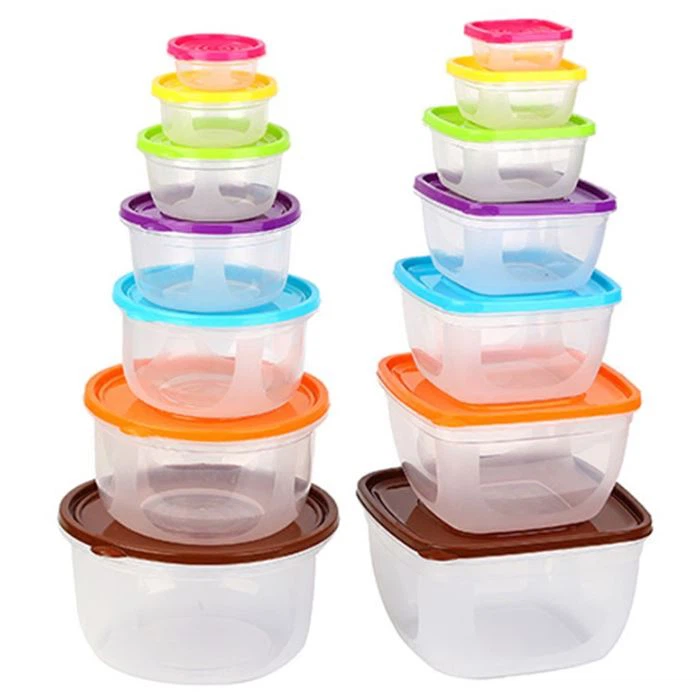
Food container mould
Food container moulds can be customized to meet specific customer needs. They can be designed to produce containers with additional features such as snap-on lids, built-in dividers, or stacking capabilities. This enhances the functionality and convenience of the containers, making them suitable for a variety of uses and environments.

Fruit bowl mould
Fruit bowl moulds produce unique-shaped and visually appealing bowls, standing out in the market. They offer various functionalities, with some molds having dividers, handles, or lids for specific uses or environments.

Dustbin mould
Plastic dustbin mould is one of our commodity molds. This plastic injection mould series plays a role in our commodity molds; it includes plastic dustbin can mould, plastic wastebin mould, plastic trash mould, sanitation dustbin mould, classification dustbin mould, pedal dustbin mould, indoor dustbin mould, and more.

Jug Mould
Jugs are commonly used to store and pour liquids, such as water, juice, milk, or wine. They come in various sizes and shapes, depending on their intended use. Our jug mould is designed to create a specific shape and size of the jug. It can be made of various materials, including steel, aluminum, or plastic, depending on the manufacturing process and the desired outcome.
Material Of Kitchenware Molds
Steel
Steel is a popular choice for kitchenware molds due to its durability and ability to withstand high temperatures and pressures during the manufacturing process. Steel molds provide excellent precision and can produce high-quality kitchenware with intricate details. They have a long lifespan and can be used for high-volume production.
Aluminum
Aluminum molds are another commonly used material for kitchenware molds. They offer good thermal conductivity, allowing for faster cooling times during the manufacturing process. Aluminum molds are lighter and easier to handle compared to steel molds. They are suitable for lower-volume production or when weight considerations are important.
Plastic
Plastic molds may be used for certain types of kitchenware, especially for lower-cost items or prototypes. Plastic molds are typically less expensive compared to steel or aluminum molds. However, they may have a shorter lifespan and are more prone to wear and tear. Plastic molds are suitable for lower-volume production or when cost is a primary consideration.
Silicone
Silicone molds are often used for flexible kitchenware, such as baking molds or utensils with soft grips. Silicone has excellent heat resistance, is non-stick, and allows for easy release of the finished products. Silicone molds are suitable for creating complex shapes and designs.
Cooling System: The cooling system is used to regulate the temperature of the mold during the manufacturing process. It typically consists of channels or tubes that circulate a cooling medium, such as water or oil, through the mold.
Mold Base
The mold base is the foundation of the mold and provides support for the other components. It is typically made of steel or aluminum and houses the cavities, cores, and inserts.
Cavities
The cavities are the spaces within the mold that define the shape of the final product. They are usually designed with a smooth surface to ensure the finished product has a clean and polished appearance.
Cores
Cores are used to create internal features of the kitchenware product, such as hollow portions or intricate details. They are typically inserted into the mold and removed after the part is molded.
Inserts
Inserts are additional components that can be added to the mold to create specific features or design elements. They are typically made of steel or other materials and can be easily inserted and removed from the mold.
Ejector Pins
Ejector pins are used to push the finished product out of the mold. They are typically located on the bottom half of the mold and are activated by the ejection system.
Venting System
The venting system is used to allow air to escape from the mold during the injection process. Without proper venting, air pockets can form in the finished product, causing defects.
Process of Kitchenware Molds Manufacture
The first step in the process is the design and engineering of the kitchenware mold. This involves creating detailed drawings and specifications that define the shape, size, and features of the mold, as well as determining the materials to be used.
Once the design is finalized, the appropriate materials for the mold components are selected based on factors such as durability, thermal conductivity, and cost. Common materials include steel, aluminum, and sometimes plastic or silicone for specific applications.
The next step is the fabrication of the mold components. This may involve processes such as CNC machining, milling, turning, grinding, and EDM (electrical discharge machining) to create the cavities, cores, inserts, and other components of the mold.
Once the individual components are fabricated, they are assembled into a complete kitchenware mold. This includes fitting the cavities, cores, inserts, and other components into the mold base and ensuring proper alignment and precision.
Depending on the specific requirements of the kitchenware product, surface treatments such as polishing, texturing, or coating may be applied to the mold to achieve the desired surface finish of the final product.
The assembled mold undergoes testing to ensure that it meets the required specifications and produces high-quality parts. This may involve test runs with various materials to evaluate the performance of the mold.
Halo Injection Molding Services for Plastic Kitchen Items
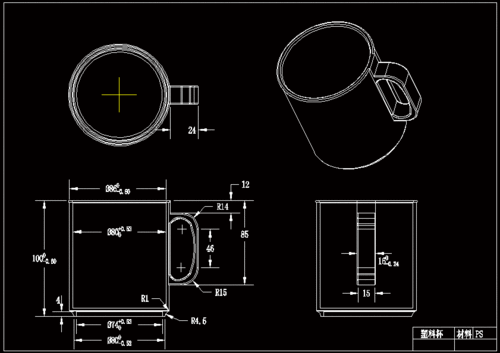
Plastic kitchen Items Design
Combining superior creativity and processes, we develop the perfect solution to satisfy your requirements. We have an extensive product design capability in customizing your home plastic items to your specifications, including the size, shape, and color you want.
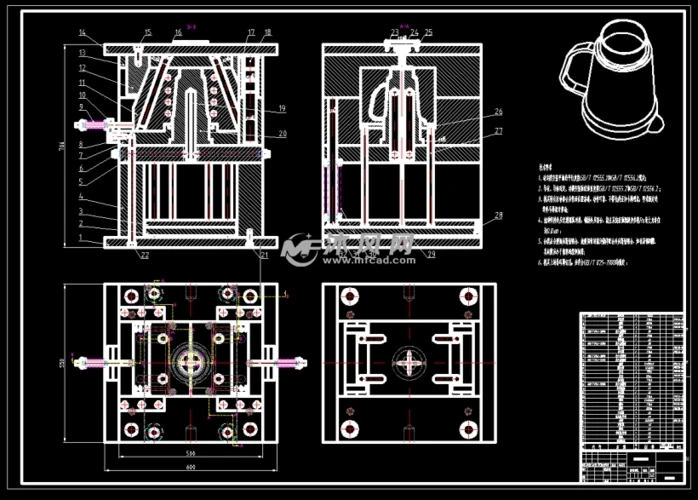
Plastic kitchen Items Mold Design
With an advanced specialty in creating mold designs, we fabricate the perfect mold to shape your plastic kitchen items. Following simple processes, we provide you with a suitable mold design that caters to your needs, no matter how complex and intricate the designs are.
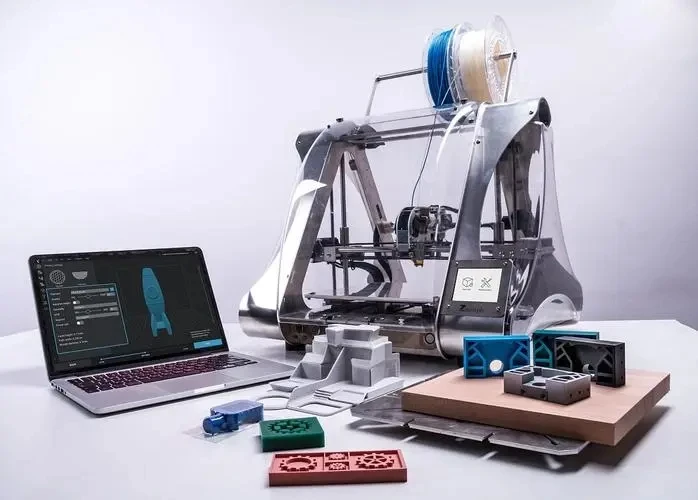
3D Printing
Using 3D printing, we produce high-definition prototypes fast at a cost-friendly price. With this, the turnaround time needed to fulfill complex parts production is greatly reduced. Meanwhile, it does not compromise on quality as our 3D printing application offers high precision and consistent repeatability.
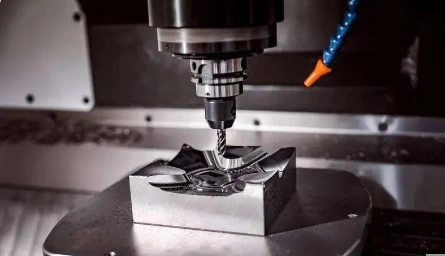
CNC Machining
Making use of CNC machining to eradicate layers of material from an already existing component, we help in the injection molding kitchenware products. This type of manufacturing supports quick turnaround, custom finishes, and high scalability.
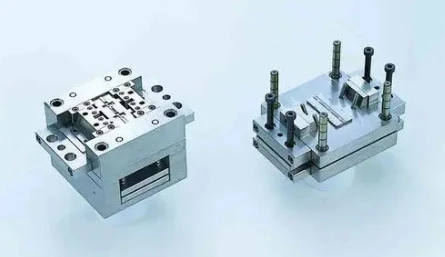
Plastic Mold Making
At Halo Mould, we recognize that plastic molds must be made right as they determine how the injection molding process will turn out. Hence, our mold making process is keenly prioritized to ensure quality in every respect.
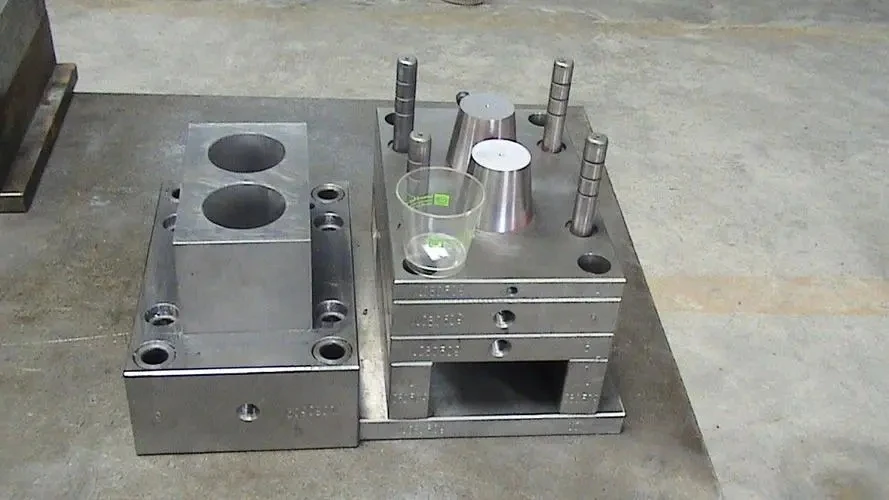
Injection Molding Plastic kitchen Products
We offer a full range of injection molding services, such as production of bulk plastic household items. Also, we have expertise in handling hundreds of resins, making us able to provide various solutions to our clients’ needs.
Best-in-class materials for Plastic kitchen Items Injection Molding
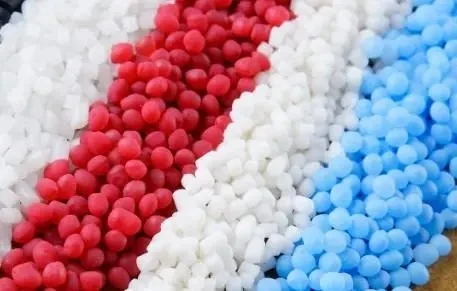
Polypropylene (PP): Polypropylene is a popular choice for kitchenware due to its excellent chemical resistance, high heat tolerance, and durability. It is commonly used for items such as food storage containers, kitchen utensils, and microwave-safe dishes.
Acrylonitrile Butadiene Styrene (ABS): ABS is known for its impact resistance and strength, making it suitable for kitchen items that require durability, such as appliance housings, handles, and various components of kitchen equipment.
Polycarbonate (PC): Polycarbonate is valued for its high transparency, heat resistance, and toughness. It is often used for items like baby bottles, reusable water bottles, and kitchenware that requires clarity and shatter resistance.
Polyethylene Terephthalate (PET): PET is commonly used for beverage bottles and food packaging due to its clarity, lightweight nature, and recyclability. It can be used for items like water bottles, beverage containers, and food storage jars.
Polyethylene (PE): Polyethylene is known for its flexibility, impact resistance, and ease of processing. It is often used for items such as squeeze bottles, flexible food packaging, and kitchen storage containers.
Polyoxymethylene (POM): Also known as acetal, POM is a strong and rigid material with excellent dimensional stability. It is suitable for applications such as gears, handles, and other mechanical components of kitchen appliances.
High-Density Polyethylene (HDPE): HDPE is valued for its stiffness, strength, and resistance to chemicals. It is commonly used for cutting boards, kitchen utensils, and food storage containers.
Things To Note When Using Kitchenware Molds
Proper Maintenance
Regularly inspect and maintain the kitchenware molds to ensure they are in good working condition. Clean the molds after each use and check for any signs of wear or damage. Replace worn-out parts or repair any defects promptly to prevent issues during the molding process.
01
Material Selection
Use the appropriate material for the kitchenware product being molded. Ensure that the selected material is food-safe and complies with relevant regulations. Consider factors such as durability, heat resistance, and ease of cleaning when choosing the mold material.
02
Mold Release Agents
Apply suitable mold release agents to the mold surface before each molding cycle. This helps prevent sticking and facilitates easy removal of the molded part from the mold. Choose release agents that are compatible with the mold material and food-safe.
03
Proper Injection Parameters
Set injection parameters correctly for consistent and high-quality molded parts. This includes parameters like pressure, temperature, and time. Follow manufacturer guidelines and adjust as needed for specific materials.
04
Proper Storage
Store the kitchenware molds in a clean and dry environment when not in use. Protect them from dust, moisture, and excessive heat to maintain their integrity. Proper storage helps prolong the lifespan of the molds and ensures consistent performance.
05
How To Maintain Molds For Kitchen Items
Keep the mold clean
The mold must be kept clean at all times. Dust and debris can accumulate on the mold and affect its performance. Therefore, it is advisable to use a soft cloth to clean the mold regularly.
Check for wear and tear
Regular inspection of the mold can help detect any wear and tear. This can help to identify any potential problems and to take corrective actions before they cause significant damage.
Control the temperature
Temperature control is crucial in ensuring that the mold operates at optimal temperatures. The temperature of the mold should be checked regularly and adjusted as necessary.
Store the mold properly
When the mold is not in use, it should be stored properly. The mold should be placed in a dry, cool, and dust-free environment.
Lubricate the mold
The mold must be lubricated from time to time. This helps to reduce friction between the mold components and ensures that the mold operates smoothly. It is important to choose the right lubricant that is compatible with the type of plastic being used.
FAQ
Q: What are injection-molded kitchen items?
Q: What types of kitchen items can be produced using injection molding?
Q: What are the advantages of using injection molding for kitchen items?
Q: How is the safety of injection-molded kitchen items ensured?
Q: Can injection-molded kitchen items be used for hot food and beverages?
Q: Are recycled materials used in the production of injection-molded kitchen items?
Q: How is the durability of injection-molded kitchen items ensured?
Q: What design considerations are important for injection-molded kitchen items?
Q: Can kitchen items with different colors be produced using injection molding?
Q: How are intricate designs achieved in injection-molded kitchen items?
Q: What is the role of mold temperature in injection molding kitchen items?
Q: Are there limitations to the size of injection-molded kitchen items?
Q: Can kitchen items with special features, such as non-stick coatings, be injection molded?
Q: How is the thickness of injection-molded kitchen items controlled?
Q: Are there considerations for using recycled plastics in kitchen items?
Q: How are handles and grips incorporated into injection-molded kitchen items?
Q: What role does quality control play in the production of kitchen items through injection molding?
Q: Can injection molding produce eco-friendly kitchen items?
Q: How is the recyclability of injection-molded kitchen items addressed?
Q: Are there special considerations for producing injection-molded kitchen items for microwave use?
Q: Can injection molding be used for manufacturing kitchen items with textured surfaces?
Q: How is the weight of injection-molded kitchen items controlled?
Q: What is the role of gating in injection molding kitchen items?
Q: How are seams and parting lines minimized in injection-molded kitchen items?
Q: Are there specific regulations for the production of injection-molded kitchen items?
Q: How is the gloss or matte finish of injection-molded kitchen items determined?
Q: Can injection molding be used for producing transparent kitchen items?
Q: What considerations are important for designing stackable injection-molded kitchen items?
Q: What is the role of gas-assisted injection molding in the production of kitchen items?
We're professional kitchen mould manufacturers in China, specialized in providing high quality customized service. We warmly welcome you to buy OEM kitchen mould at competitive price from our factory. For more information, contact us now.
PS Box Mould, Plastic Trash Bin Mould, Food Container Mould