

Latest Products


Contact Us
- No.8 Shangxian Road North Industry Zone, Huangyan, Taizhou, China
- info@halomould.com
- +8613750618222
 Folding Table Mould
Folding tables are one of the most versatile and convenient pieces of furniture available today. They’re perfect for use in a wide range of settings, including homes, schools, offices, and events.
Add to Inquiry Pc Stool Mould
PC stool moulds are used to manufacture sturdy and durable stools made from polycarbonate material. These moulds offer several benefits, such as customizable designs, smooth finishing, and
Add to Inquiry Plastic Sofa Mould
Sustainability: Plastic sofa molds are able to produce sofas made from recycled plastic materials. This promotes sustainability and reduces waste in the environment.
Add to Inquiry Outdoor Sofa Mould
An outdoor sofa mould is a type of mould that is used to produce outdoor sofas. These sofas are designed to withstand the harsh outdoor environment and provide comfortable seating for users.
Add to Inquiry Air Assistant Chair Mould
An air assistant chair mould is a type of mould used in the production of air assistant chairs. These chairs are designed to provide comfort and support to users, while also allowing for increased
Add to Inquiry Rattan Chair Mould
Mould material: P20H, H13, 718, 2738, NAK80, S136, SKD61 etc.. Mould base:LKM, HASCO ect. HaLo mould is a China high-quality rattan chair mould manufacturer,we manufacture all kinds of rattan chair
Add to Inquiry Baby Chair Mould
HaLo mould is a China high-quality baby chair mould manufacturer,we manufacture all kinds of baby chair mould and OEM products.
Add to Inquiry Pc Chair Mould
HaLo mould is a China high-quality pc chair mould manufacturer,we manufacture all kinds of pc chair mould and OEM products.
Add to Inquiry Baby Stool Mould
HaLo mould is a China high-quality baby table stool mould manufacturer,we manufacture all kinds of baby table moulds,we export to around 30 countries.
Add to Inquiry Metal Leg Chair Mould
HaLo mould is a China high-quality metal chair mould manufacturer,we manufacture all kinds of metal chair mould and OEM products.
Add to Inquiry Rattan Sofa Mould
HaLo mould is a China high-quality rattan sofa mould manufacturer,we manufacture all kinds of rattan sofa mould and OEM products.
Add to Inquiry Double Color Stool Mould
HaLo mould is a China high-quality double color stool mould manufacturer,we manufacture all kinds of double color stool mould and OEM products.
Add to Inquiry
why choose us

Halomould: Your Professional Outdoor Furniture Mould Supplier
Halomould Company was founded in TaiZhoul Huangyan City, which is one of the biggest mould towns in China. We offer you a full range of plastic injection moulding services, from design and prototyping to mould making and a wide range of additional services. We make all kinds of plastic injection moulds , like home appliances moulds , outdoor furniture moulds,baby products molds, etc.
Our advantage

Professional Team
Most Halomould technicians and design engineers have many years of experience, and with the latest CAD, CAE, and CAM software, we can provide our clients with accurate designs.
Quality Assurance
Our company holds ISO9001, TUV, and BSCI certifications, ensuring high standards in management and production.

Rich Experience
Our company has over 10 years of experience in manufacturing molds for daily use products. We are capable of undertaking various projects and providing customized solutions.

Competitive price
As a plastic mold manufacturer, we have a significant competitive edge over trading companies in terms of both pricing and quality assurance.
An outdoor furniture mold refers to a specialized mold used in the manufacturing process of outdoor furniture items. These molds are designed specifically to shape and form various components of outdoor furniture, such as chairs, tables, benches, loungers, and more.
Benefits of Outdoor Furniture Mould
Consistency
Outdoor furniture molds ensure consistent production of furniture pieces with the same shape, size, and design. This consistency is essential for maintaining product quality and meeting customer expectations.
01
Flexibility
Outdoor furniture molds can be designed to produce a wide range of furniture styles and designs. This allows to offer a variety of furniture products to customers, satisfying a wider range of consumer needs.
02
Efficiency
Molds allow for efficient production by enabling mass manufacturing of outdoor furniture components. Multiple pieces can be produced simultaneously, reducing production time and costs.
03
Cost-effective
By using molds, manufacturers can optimize material usage and minimize waste. This leads to cost savings in terms of raw materials and production processes.
04
Durability
Outdoor furniture molds are typically made from durable materials that can withstand repeated use and production cycles. This ensures longevity and reliability in the manufacturing process.
05
Common Types Of Furniture Molds

Chair Mould
A chair mold is specifically designed to produce various types of chairs, including dining chairs, office chairs, lounge chairs, and more. The mold creates the shape, structure, and details of the chair, ensuring consistent and precise manufacturing.
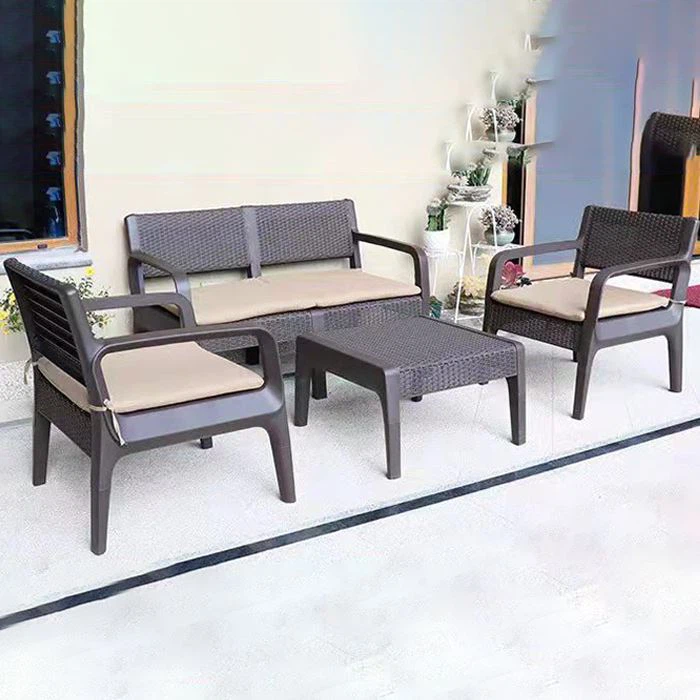
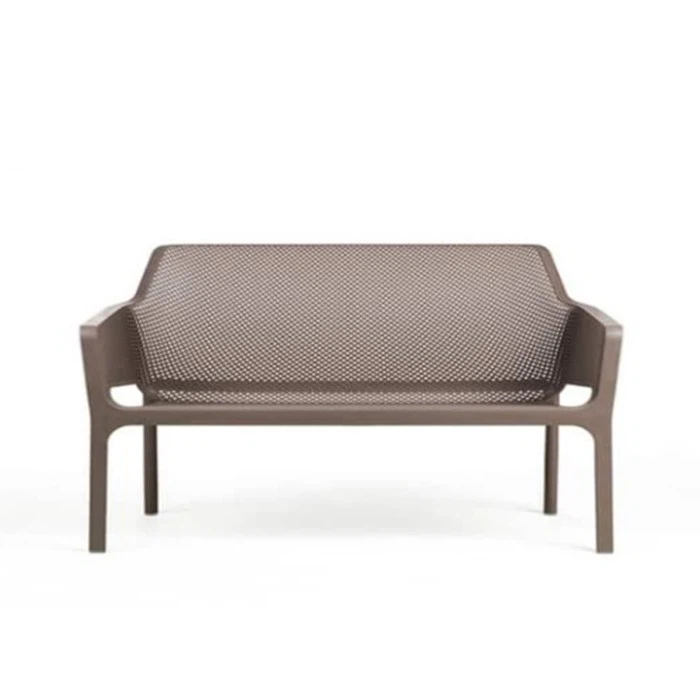
Sofa Mould
A sofa mold is used to manufacture different types of sofas, such as sectional sofas, loveseats, and recliners. The mold allows for the production of sofa components, including the frame, upholstery, cushions, and armrests, ensuring accurate and efficient production.

Stool Mould
A stool mold is designed to create stools of various sizes and styles. These molds produce the stool's seat, legs, and any additional features or designs. Stool molds allow manufacturers to produce consistent and high-quality stools for commercial, residential, or industrial use.

Table Mould
A table mold is utilized to manufacture different types of tables, such as dining tables, coffee tables, and outdoor tables. The mold shapes the tabletop, legs, and any other specific features of the table design. Table molds enable efficient and precise production of tables with consistent quality.
Materials Of Outdoor Furniture Molds
Steel
Steel molds are widely used in furniture manufacturing due to their strength, durability, and resistance to wear and tear. They can withstand high temperatures and produce a large number of high-quality furniture pieces. Steel molds are suitable for mass production and are often used for high-volume manufacturing.
Aluminum
Aluminum molds offer good thermal conductivity, which allows for efficient cooling during the production process. They are lighter than steel molds, making them easier to handle and install. Aluminum molds are commonly used for lower volume production or when weight reduction is a priority.
Composite Materials
Some furniture molds are made from composite materials, which are a combination of materials such as fiberglass, epoxy resins, and fillers. Composite molds offer good dimensional stability, resistance to corrosion, and are lightweight. They are often used for intricate or complex furniture designs.
Plastic
In some cases, furniture molds can be made from plastic materials, such as high-density polyethylene (HDPE) or polypropylene (PP). Plastic molds are lightweight, cost-effective, and suitable for low to medium volume production. They are commonly used for simpler furniture designs or prototypes.
Application Of Outdoor Furniture Molds
Home Furniture Manufacturing: Home furniture molds are designed to create a wide range of furniture for residential use, including living room furniture, bedroom furniture, dining furniture, and more. The molds used in this sector cater to the specific designs, styles, and materials commonly found in home furniture.
Office Furniture Manufacturing: Office furniture molds are used to produce various types of furniture for office environments, such as desks, chairs, filing cabinets, conference tables, and workstations. These molds are designed to meet the functional and aesthetic needs of office spaces.
Healthcare Furniture Manufacturing: Healthcare furniture molds are tailored for the production of furniture used in healthcare settings, including hospital beds, medical carts, waiting room chairs, examination tables, and patient chairs. These molds take into account the unique requirements of healthcare environments, such as infection control, ergonomics, and durability.
Hospitality Furniture Manufacturing: Hospitality furniture molds are specifically designed for the production of furniture used in hotels, restaurants, resorts, and other hospitality establishments. These molds create furniture pieces like hotel room furniture, restaurant seating, bar stools, and outdoor lounge chairs that meet the specific style, comfort, and durability standards of the hospitality industry.
Educational Furniture Manufacturing: Educational furniture molds are used to manufacture furniture for educational institutions, including classroom desks, chairs, library furniture, laboratory workbenches, and lecture hall seating. These molds consider factors such as ergonomics, flexibility, and durability to meet the needs of students, teachers, and administrators.
Process of Outdoor Furniture Molds
The first step in creating an outdoor furniture mold is to develop a detailed design. This design may be created using computer-aided design (CAD) software or by hand. The design should take into account the specific outdoor furniture piece being manufactured and the materials that will be used.
Once the design is finalized, the mold creation process can begin. This process typically involves constructing a model of the furniture piece using materials such as clay, foam, or wood. This model is then used to create a negative mold.
The choice of material for the mold will depend on several factors, including the type of furniture being produced, manufacturing requirements, and budget considerations. Common materials used for outdoor furniture molds include steel, aluminum, composite materials, and plastic.
The selected mold material is then fabricated and shaped to the exact specifications of the furniture piece. This may involve cutting, welding, machining, and other processes.
After the mold is fabricated, it is tested to ensure that it meets the required specifications. This may involve testing the mold's durability, accuracy, and overall performance.
Once the mold is tested and approved, it is given a final finish, which may include polishing or coating to improve its durability and extend its lifespan.
How to Choose Outdoor Furniture Molds?
Furniture Design: The mold should be compatible with the specific design and style of outdoor furniture you intend to produce. Consider the shape, size, and intricate details of the furniture piece, and choose a mold that can accurately replicate these features.
Material Compatibility: Different outdoor furniture materials, such as metal, wood, plastic, or a combination, may require different types of molds. Ensure that the mold material is compatible with the materials you plan to use in your production process.
Manufacturing Technique: Determine the manufacturing technique you will employ, such as injection molding, blow molding, or rotational molding. Each technique may have specific mold requirements, so choose a mold that aligns with your chosen production method.
Durability and Longevity: Outdoor furniture molds should be durable and long-lasting to withstand the demands of repeated use. Consider the expected lifespan of the mold and select a material that can withstand frequent use and exposure to outdoor elements.
Precision and Accuracy: Look for molds that offer high precision and accuracy in replicating the furniture design. This will help ensure consistent quality and minimize errors during the production process.
Cost Considerations: Evaluate the cost of acquiring and maintaining the mold, including fabrication, maintenance, and any necessary repairs or modifications. Balance the cost with the expected return on investment in terms of production efficiency and quality.
Outdoor furniture molds can be reused for different designs or shapes, but it depends on the specific mold design and manufacturing technique used. Some molds may be adaptable to different shapes or designs, while others may require significant modifications or complete replacement to accommodate new designs.
For example, molds used in rotational molding can often be used for producing different shapes or designs since they involve heating and rotating the mold around multiple axes to achieve the desired shape. However, molds used in injection molding or blow molding typically require more precise dimensions and may need to be completely replaced if significant design changes are made.
In addition, some molds may require modifications to accommodate slight variations in design, such as changes in size or color. These modifications may include adjusting the mold's tooling, cooling system, or surface finish.
Overall, the reusability of outdoor furniture molds for different designs or shapes will depend on various factors, including the manufacturing technique, material compatibility, and mold specifications. You can consult with our mold experts to determine the best approach for adapting existing molds or creating new molds for your specific design needs.

Mold Cavity: This is the part of the mold that creates the actual shape of the furniture piece. It is typically made of durable steel or aluminum and is precisely machined to match the desired shape and size of the furniture.
Mold Core
The mold core is used in designs that require hollow sections or openings in the furniture piece. It is placed inside the mold cavity and provides the shape for the hollow sections.
Mold Base
The mold base is a large, flat plate that holds all of the mold components and provides support during the manufacturing process. It may be made of steel or aluminum and includes channels for cooling water to pass through.
Ejector Pins
Ejector pins are used to push the furniture piece out of the mold cavity after it has been formed. They are usually made of hardened steel and are positioned around the perimeter of the mold.
Cooling System
The cooling system is an essential component of the mold that helps to regulate the temperature of the mold during the manufacturing process. It may include channels or pipes that circulate cooling water through the mold base and mold cavity.
Runner System
The runner system is a network of channels that guide the molten material into the mold cavity. It may include gates, sprues, and runners that direct the flow of material to specific areas of the mold cavity.
Venting System
The venting system is used to release air or gases that may become trapped in the mold cavity during the manufacturing process. It may include vents or small holes that allow air to escape as the material fills the mold cavity.
Maintenance Tips for Outdoor Furniture Molds
Regular Cleaning: Clean the molds regularly to remove any debris, residue, or excess material that may have accumulated during the manufacturing process. Use appropriate cleaning solutions and tools recommended by the mold manufacturer to avoid damaging the mold surface.
Lubrication: Apply a suitable lubricant to the moving parts of the mold, such as ejector pins or sliding mechanisms, to prevent friction and ensure smooth operation. Lubrication helps reduce wear and tear on the mold components.
Inspection: Regularly inspect the molds for any signs of damage, wear, or misalignment. Look for cracks, dents, or deformities that may affect the quality of the furniture produced. Address any issues promptly to prevent further damage.
Repair and Maintenance Plan: Establish a repair and maintenance plan for the molds. This may include scheduled maintenance tasks, such as replacing worn-out components, repairing damaged areas, or adjusting mold settings. Follow the manufacturer's guidelines or consult with mold experts for specific maintenance requirements.
Storage: Properly store the molds when not in use. Clean and dry the molds thoroughly before storing them in a clean and controlled environment to prevent corrosion or degradation. Consider using protective coverings or coatings to safeguard against dust, moisture, or other potential sources of damage.
Temperature and Humidity Control: Maintain appropriate temperature and humidity levels in the storage area to prevent mold deterioration. Extreme temperature or humidity fluctuations can negatively impact the mold's structural integrity and performance.
Training and Handling: Ensure that operators and technicians handling the molds are properly trained to minimize mishandling or accidental damage. Proper handling techniques, such as using lifting equipment or following recommended procedures, can help prevent unnecessary strain or stress on the molds.
FAQ
Q: What types of outdoor furniture can be made using furniture molds?
Q: How are outdoor furniture molds made?
Q: How long does it take to create a furniture mold?
Q: How long can outdoor furniture molds be used?
Q: Can outdoor furniture molds be customized?
Q: How are outdoor furniture molds stored?
Q: What is the purpose of outdoor furniture molds?
Q: Why are outdoor furniture molds important?
Q: How long do outdoor furniture molds last?
Q: What materials are used to make outdoor furniture molds?
Q: Can outdoor furniture molds be reused?
Q: What are the benefits of using outdoor furniture molds in the manufacturing process?
Efficient production: Molds enable mass production of outdoor furniture pieces, resulting in higher production efficiency and reduced labor costs.
Consistent quality: Molds ensure that each furniture piece is produced with consistent dimensions, shape, and surface finish.
Design flexibility: Molds can be customized to create a wide range of designs and shapes, allowing for greater design flexibility and customization options.
Cost-effectiveness: Once a mold is fabricated, the cost per unit decreases significantly, making it a cost-effective production method for large quantities.
Time-saving: Molds enable faster production cycles, reducing lead times and increasing overall productivity.
Q: How is furniture production affected by molds?
Q: What should I consider when purchasing an outdoor furniture mold?
Design requirements: Ensure that the mold can accommodate the desired design, shape, and size of the furniture piece you want to produce.
Material compatibility: Consider the type of material you plan to use and ensure that the mold is compatible with it.
Quality and durability: Look for molds made from high-quality materials that can withstand the production process and provide long-term durability.
Customization options: If you require customized designs, check if the manufacturer offers customization services and the flexibility to modify or adapt the mold as per your specific needs.
Manufacturer reputation: Research the reputation and track record of the mold manufacturer to ensure they have experience in producing high-quality molds.
Cost-effectiveness: Evaluate the price of the mold and consider its long-term cost-effectiveness based on factors such as lifespan, maintenance requirements, and potential for reusability.
Q: How is outdoor furniture mold maintained to ensure durability and longevity?
Q: Do different outdoor furniture molds have unique characteristics?
We're professional outdoor furniture mould manufacturers in China, specialized in providing high quality customized service. We warmly welcome you to buy OEM outdoor furniture mould at competitive price from our factory. For more information, contact us now.
