




Embarking on the journey of DIY projects can be both exhilarating and rewarding. One such ambitious endeavor that might cross your mind is making a sofa mould by yourself. As a seasoned Sofa Mould supplier, I've witnessed the allure of self - production and the complexities involved. In this blog, I'll delve into the feasibility, challenges, and requirements of creating a sofa mould independently.
The Initial Allure of DIY Sofa Moulds
The idea of making a sofa mould oneself often stems from a desire for customization and cost - saving. When you create your own mould, you have complete control over the design details, enabling you to craft a sofa that precisely matches your style preferences. This degree of personalization is hard to achieve when purchasing pre - made sofas or moulds. Moreover, some individuals believe that doing it themselves can be more budget - friendly, as they can source materials and tools at a potentially lower cost.
Understanding the Basics of Sofa Moulds
Before diving into the DIY process, it's crucial to understand the different types of sofa moulds. For instance, there are Plastic Sofa Mould, which are commonly used for creating lightweight and durable plastic sofas. These moulds are designed to withstand the pressure and heat involved in the plastic injection molding process.
Rattan Sofa Mould are another category, ideal for producing sofas with a natural, woven look. They are crafted to replicate the intricate patterns of rattan, giving the sofas an elegant and rustic appearance.
Lastly, Outdoor Sofa Mould are built to resist weather elements. They need to be made from materials that can endure UV rays, rain, and temperature fluctuations without deforming.
The Challenges of Making a Sofa Mould Alone
Technical Expertise
Creating a sofa mould demands a high level of technical knowledge. You need to understand the principles of mould design, such as draft angles, parting lines, and cooling channels. Without proper knowledge, the mould may not produce the desired sofa shape, or it could lead to issues like incomplete filling, warping, or surface defects in the final product. For example, if the draft angle is incorrect, the sofa part might get stuck in the mould during the ejection process, causing damage to both the part and the mould.
Tooling and Equipment
To make a sofa mould, you'll require a variety of specialized tools and equipment. Precision machining tools like CNC milling machines are essential for creating the mould cavities with high accuracy. These machines are expensive and often require training to operate safely and effectively. Additionally, you'll need equipment for heat treatment, surface finishing, and quality control. Access to these resources can be a significant hurdle for DIY enthusiasts.
Material Selection
Choosing the right material for the mould is critical. The material must be strong enough to withstand the pressure of the molding process, have good thermal conductivity for proper cooling, and resist wear and tear. Common materials for sofa moulds include steel and aluminum. However, selecting the appropriate grade and type of these materials requires knowledge of their properties and how they interact with the specific molding process you'll be using. Incorrect material selection can lead to early mould failure, which would be a waste of time and money.
The Steps Involved in Making a Sofa Mould (If You Decide to Proceed)
Designing the Mould
Start by creating a detailed 3D design of the sofa and its corresponding mould. You can use computer - aided design (CAD) software for this purpose. In the design phase, pay close attention to all the design elements mentioned earlier, such as draft angles and parting lines. It's also a good idea to simulate the molding process using specialized software to identify and resolve any potential issues before starting the physical manufacturing.
Material Sourcing
Once you have the design, source the appropriate material for your mould. As mentioned, steel and aluminum are common choices. Make sure to purchase the material from a reliable supplier to ensure its quality. You'll also need to consider the size and quantity of the material based on your mould design.
Machining the Mould
This is the most technically demanding step. Use the precision machining tools to cut, shape, and finish the mould according to your design. This process requires patience and accuracy, as even a small error can affect the final product. You may need to perform multiple operations, including roughing, semi - finishing, and finishing, to achieve the desired surface quality and dimensional accuracy.
Heat Treatment and Surface Finishing
After machining, the mould may need heat treatment to improve its hardness and durability. This involves heating the mould to a specific temperature and then cooling it at a controlled rate. Surface finishing is also important to ensure a smooth and defect - free surface on the mould. This can be done through processes like polishing and coating.
Testing the Mould
Once the mould is complete, it's time to test it. You'll need to set up the molding equipment and run a test production. Check the quality of the sofas produced, including their shape, dimensions, and surface finish. If there are any issues, you'll need to troubleshoot and make adjustments to the mould or the molding process.
Why Consider a Professional Sofa Mould Supplier
While the DIY approach has its charm, there are several compelling reasons to work with a professional Sofa Mould supplier like us.
Experience and Expertise
Professional suppliers have years of experience in designing and manufacturing sofa moulds. They have a team of experts who are well - versed in all aspects of mould production, from design to quality control. This expertise allows them to create high - quality moulds that meet your specific requirements.
Cost - Effectiveness in the Long Run
Although it may seem like a DIY project would be cheaper, in reality, the cost of purchasing the necessary tools, equipment, and materials can quickly add up. Professional suppliers can take advantage of economies of scale when sourcing materials and have the necessary equipment already in place. This often results in a more cost - effective solution in the long run.
Quality Assurance
Professional suppliers have strict quality control measures in place. They use advanced inspection techniques and equipment to ensure that each mould meets the highest standards. This means that you can expect a reliable and long - lasting mould, which will ultimately lead to better - quality sofas.
Conclusion
Making a sofa mould by yourself is a challenging but not impossible task. It requires a significant investment of time, money, and technical knowledge. However, if you're not confident in your ability to handle the complexities involved, it's advisable to work with a professional Sofa Mould supplier.

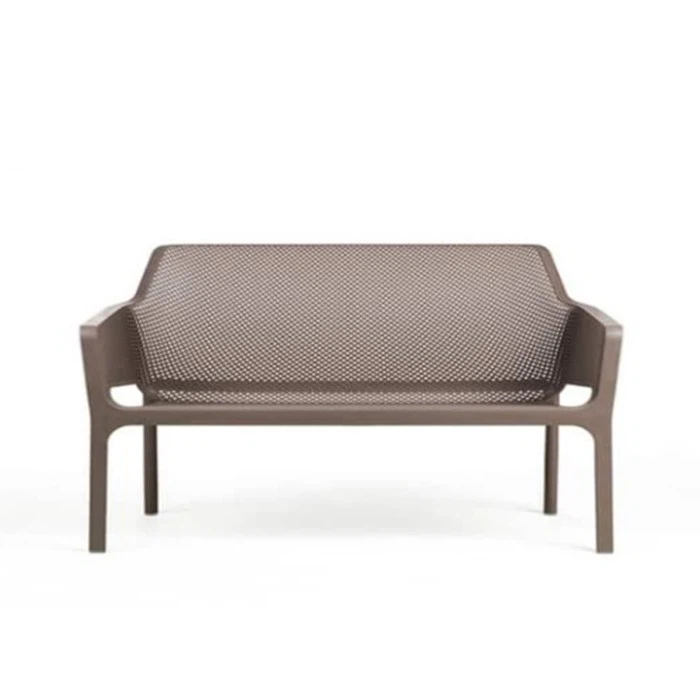
We understand that every customer has unique needs and expectations when it comes to sofa moulds. Whether you're looking for a Plastic Sofa Mould, Rattan Sofa Mould, or Outdoor Sofa Mould, we're here to provide you with high - quality solutions. If you're interested in discussing your requirements or exploring our product range, don't hesitate to reach out to us for a detailed procurement negotiation.
References
- "Mould Design and Manufacturing Handbook", Industrial Press Inc.
- "Plastic Injection Molding Technology", Hanser Gardner Publications