




Hey there! As a kitchen mould supplier, I've had my fair share of questions from customers, and one that pops up quite often is, "Can kitchen mould grow on the utensils hanging on the wall?" Well, let's dive right into this topic and find out.
First off, what exactly is kitchen mould? Mould is a type of fungus that loves to grow in damp, warm, and dark places. It comes in all sorts of colors - green, black, white, you name it. And it's not just an eyesore; it can also pose health risks, especially for people with allergies or respiratory problems.
Now, let's talk about those utensils hanging on the wall. The conditions in the kitchen can vary a lot. If your kitchen is a bit on the humid side, maybe because you cook a lot of steamed or boiled food, or if there's poor ventilation, it creates a perfect breeding ground for mould. Even the tiniest amount of moisture left on the utensils after washing can be enough for mould to start growing.
Think about it. When you hang up a wet spoon or fork, the water doesn't dry off immediately. If the air in the kitchen isn't circulating well, that moisture just sits there. And mould spores, which are tiny and float around in the air, can land on the utensil and start to grow. It might take a few days or weeks, depending on the conditions, but eventually, you could see that fuzzy stuff appearing.
The type of material the utensils are made of also matters. For example, wooden utensils are more prone to mould growth than metal ones. Wood can absorb water, and once it's soaked, it becomes a cozy home for mould. On the other hand, metal utensils are less likely to hold onto moisture for long, but if there are scratches or crevices where water can collect, mould can still find a way to grow.
So, how can you prevent mould from growing on your wall - hanging utensils? Well, the first thing is to make sure your utensils are completely dry before hanging them up. You can dry them with a clean towel or let them air - dry in a well - ventilated area. Another tip is to improve the ventilation in your kitchen. Open a window when you're cooking, or use an exhaust fan to suck out the humid air.
If you already have mould on your utensils, don't panic. You can clean it off. For metal utensils, you can soak them in a solution of water and vinegar. Vinegar is a natural disinfectant and can kill the mould. For wooden utensils, be a bit more careful. You can use a mild soap and warm water to clean them, but make sure to dry them thoroughly afterward.
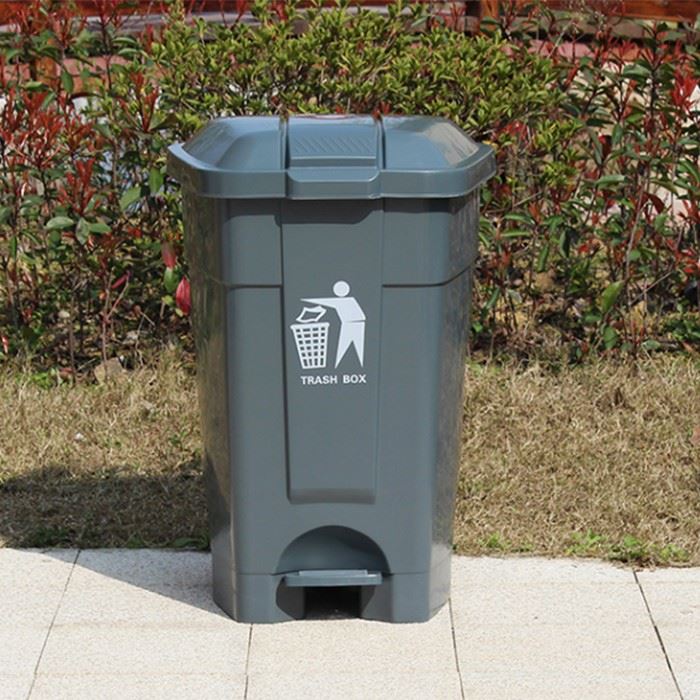
Now, as a kitchen mould supplier, I offer a wide range of high - quality moulds for all your kitchen needs. Whether you're looking for a Dust Bin Mould to make your own dust bins, a Plastic Food Receptacle Mould to create food containers, or a Fruit Bowl Mould to craft beautiful fruit bowls, I've got you covered.

My moulds are made from top - notch materials, ensuring durability and precision. They're designed to make your DIY kitchen projects a breeze. With my moulds, you can create unique and useful kitchen items that not only look great but also meet your specific needs.
If you're interested in purchasing any of our kitchen moulds, I'd love to have a chat with you. Whether you're a small - scale crafter or a large - scale manufacturer, we can work together to find the perfect mould for you. Just reach out, and we can start discussing your requirements.
In conclusion, yes, kitchen mould can grow on utensils hanging on the wall, but with the right precautions, you can keep your utensils mould - free. And if you're in the market for high - quality kitchen moulds, don't hesitate to get in touch. Let's create some amazing kitchen items together!
References
- "Mould in the Home: Health Risks and Prevention" by the World Health Organization
- "The Science of Mould Growth" from the Journal of Environmental Science and Technology