


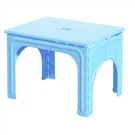


Maintaining a PS (Polystyrene) box mould is crucial for ensuring its longevity, performance, and the quality of the products it produces. As a PS box mould supplier, I understand the significance of proper maintenance in the manufacturing process. In this blog, I will share some essential tips on how to maintain a PS box mould effectively.
Regular Cleaning
One of the most fundamental aspects of PS box mould maintenance is regular cleaning. After each production cycle, it is essential to remove any residual plastic, debris, or contaminants from the mould surface. This can be done using a soft brush, compressed air, or a mild cleaning solution. Avoid using abrasive materials or harsh chemicals that could damage the mould surface.
Start by inspecting the mould for any visible signs of dirt or residue. Use a soft brush to gently remove loose particles from the mould cavities, cores, and vents. Pay special attention to areas where plastic may accumulate, such as gate areas and undercuts. Once the loose debris has been removed, use compressed air to blow out any remaining particles from hard-to-reach areas.
If there are stubborn stains or contaminants on the mould surface, a mild cleaning solution can be used. Mix a small amount of mild detergent with warm water and apply it to the mould using a soft cloth or sponge. Gently scrub the surface to remove the stains, then rinse the mould thoroughly with clean water. Make sure to dry the mould completely before storing it or using it again.
Lubrication
Proper lubrication is essential for ensuring smooth operation and preventing wear and tear on the PS box mould. Lubricants help reduce friction between moving parts, such as slides, ejector pins, and core pulls, and prevent them from seizing or sticking. They also help protect the mould surface from corrosion and oxidation.
Choose a high-quality lubricant that is specifically designed for use in plastic injection moulding. Apply the lubricant to the moving parts of the mould according to the manufacturer's instructions. Use a small amount of lubricant and spread it evenly over the surface to avoid over-lubrication, which can attract dirt and debris and cause problems.
In addition to lubricating the moving parts, it is also important to lubricate the mould cavities and cores. This helps prevent the plastic from sticking to the mould surface and makes it easier to eject the finished products. Apply a thin layer of lubricant to the mould cavities and cores using a clean cloth or spray. Make sure to cover all surfaces evenly.
Inspection and Maintenance
Regular inspection and maintenance are essential for detecting and addressing any potential issues with the PS box mould before they become major problems. Inspect the mould after each production cycle for any signs of damage, wear, or deformation. Check the mould cavities, cores, slides, ejector pins, and other components for cracks, chips, or other defects.
If any damage or wear is detected, it is important to address it immediately. Small cracks or chips can often be repaired using a suitable repair compound or welding. However, more severe damage may require the replacement of the affected component. Make sure to use high-quality replacement parts that are compatible with the mould to ensure proper fit and performance.
In addition to visual inspection, it is also important to perform regular maintenance tasks, such as checking the alignment of the mould halves, tightening loose bolts and screws, and adjusting the ejector system. These tasks help ensure that the mould is operating correctly and producing high-quality products.
Storage
Proper storage is essential for protecting the PS box mould when it is not in use. Store the mould in a clean, dry, and temperature-controlled environment to prevent corrosion, rust, and other damage. Make sure to cover the mould with a protective sheet or plastic bag to prevent dust and debris from accumulating on the surface.
When storing the mould, it is important to support it properly to prevent deformation. Use a suitable storage rack or stand that is designed to support the weight and shape of the mould. Make sure the mould is level and stable to prevent it from tipping over or being damaged.
Temperature Control
Maintaining the correct temperature is crucial for the performance and longevity of the PS box mould. During the injection moulding process, the mould needs to be heated to a specific temperature to ensure proper plastic flow and filling of the mould cavities. After the plastic has cooled and solidified, the mould needs to be cooled down to a suitable temperature before the finished product can be ejected.
Use a reliable temperature control system to monitor and regulate the temperature of the mould during the injection moulding process. Make sure the temperature is within the recommended range for the specific type of plastic being used. Overheating or underheating the mould can cause problems such as warping, shrinkage, or poor surface finish.
In addition to controlling the temperature during the injection moulding process, it is also important to allow the mould to cool down gradually after each production cycle. This helps prevent thermal stress and cracking of the mould. Avoid cooling the mould too quickly, as this can cause the plastic to shrink unevenly and result in defective products.


Training and Education
Proper training and education are essential for ensuring that the PS box mould is maintained correctly. Make sure all operators and maintenance personnel are trained on the proper use and maintenance of the mould. Provide them with detailed instructions and guidelines on how to clean, lubricate, inspect, and store the mould.
In addition to on-the-job training, it is also a good idea to provide your employees with access to educational resources such as manuals, videos, and online courses. This helps them stay up-to-date on the latest maintenance techniques and best practices.
Conclusion
Maintaining a PS box mould is a critical aspect of the plastic injection moulding process. By following these tips on regular cleaning, lubrication, inspection and maintenance, storage, temperature control, and training and education, you can ensure the longevity, performance, and quality of your PS box mould.
As a PS box mould supplier, I am committed to providing high-quality moulds and excellent customer service. If you have any questions or need further information on PS box mould maintenance, please do not hesitate to contact me. I would be happy to assist you with your moulding needs.
References
- Injection Moulding Handbook, by O. Olufemi Taiwo
- Plastic Injection Mould Design, by A. B. Strong
- Mould Making Technology, by C. R. I. K. Nair
If you are interested in purchasing our PS box moulds or other products such as Round Food Container Mould, Plastic Trash Bin Mould, and Jug Mould, please feel free to contact us for further discussion and negotiation. We look forward to working with you!