


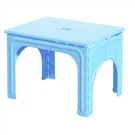


In the realm of furniture design and manufacturing, the question of whether a table mould can be used for decorative tables is an intriguing one. As a seasoned table mould supplier, I've witnessed firsthand the versatility and potential of these tools in creating unique and aesthetically pleasing table designs. This blog will delve into the practicality, advantages, and creative possibilities of using table moulds in the production of decorative tables.
Understanding Table Moulds
Table moulds are essentially templates used in the manufacturing process to shape and form tables. They come in various sizes, shapes, and designs, catering to different consumer preferences and market demands. These moulds can be made from a range of materials, including plastic, resin, and fiberglass, each offering distinct advantages in terms of durability, flexibility, and cost.
Types of Table Moulds
- Baby Table Mould: Designed specifically for creating small tables suitable for infants and toddlers. These moulds often feature friendly and safe designs, such as rounded edges and colorful patterns.
- Rattan Table Mould: Ideal for producing tables with a rattan-like appearance. They are commonly used in outdoor furniture manufacturing, providing a natural and rustic look.
- Square Table Mould: A classic and popular choice for creating tables with a square shape. They are versatile and can be used in both indoor and outdoor settings.
Using Table Moulds for Decorative Tables
The use of table moulds for decorative tables offers several significant advantages. Firstly, it allows for mass production of tables with consistent quality and design. This is particularly beneficial for businesses looking to meet large orders or maintain a uniform look across their product range.
Secondly, table moulds provide a cost-effective solution for creating decorative tables. Compared to traditional hand-crafted methods, using moulds can significantly reduce production time and labor costs. This makes it more accessible for small and medium-sized enterprises to enter the decorative table market.
Creative Possibilities
One of the most exciting aspects of using table moulds for decorative tables is the creative freedom they offer. Designers can experiment with different materials, colors, and textures to achieve unique and eye-catching effects. For example, by using a transparent resin in a table mould, it's possible to create a table with a modern and minimalist look. Alternatively, adding pigments or inclusions to the resin can produce tables with a more artistic and expressive appeal.
Another creative option is to combine different types of table moulds or use them in conjunction with other decorative elements. For instance, a square table mould can be paired with a rattan-wrapped base to create a table that combines the elegance of a square shape with the natural charm of rattan.
Factors to Consider
While table moulds offer many benefits for creating decorative tables, there are also several factors to consider before embarking on a production project.
Material Selection
The choice of material for the table and the mould is crucial. Different materials have different properties, such as strength, durability, and resistance to environmental factors. For example, outdoor decorative tables need to be made from materials that can withstand harsh weather conditions, while indoor tables may prioritize aesthetics and comfort.
Design Complexity
The complexity of the desired table design can also impact the suitability of using a table mould. Highly intricate or detailed designs may require more advanced mould-making techniques or additional post-processing steps. It's important to assess whether the chosen mould can accurately reproduce the design and whether any modifications or enhancements are needed.
Quality Control
Maintaining consistent quality is essential when using table moulds for decorative tables. This involves ensuring that the moulds are properly maintained, cleaned, and calibrated. Regular inspections of the finished tables should also be conducted to identify and address any defects or issues.


Conclusion
In conclusion, a table mould can definitely be used for decorative tables, offering a practical, cost-effective, and creative solution for table production. Whether you're a furniture manufacturer, a designer, or an entrepreneur looking to enter the decorative table market, table moulds provide a valuable tool for bringing your ideas to life.
If you're interested in exploring the possibilities of using table moulds for your decorative table projects, feel free to reach out. Our team of experts is dedicated to providing high-quality table moulds and professional guidance to help you achieve your goals. We look forward to discussing your requirements and partnering with you on your next project.
References
- Furniture Design Handbook
- Manufacturing Processes for Furniture Production
- Trends in Decorative Table Design