


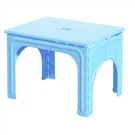


Hey there, all you furniture enthusiasts! I'm stoked to kick off today's blog post by talking about an awesome question that's been popping up in my inbox lately: Can a table mould be used for making tables with wooden accents? As a table mould supplier, I've got some cool insights to share on this topic.
Let's start with the basics. What exactly is a table mould? Well, in a nutshell, it's like a blueprint or a template for creating tables. It's designed to give you a precise shape and structure for your table. Whether you're making a small side table or a large dining table, a good table mould can be a game - changer.
Now, onto the big question: using it for tables with wooden accents. First off, the answer is a resounding yes! But there are some things to keep in mind.
Wooden accents can add a touch of warmth and natural beauty to any table. They can be used in a variety of ways, like creating a border around the tabletop, adding legs with a wooden finish, or even embedding wooden inlays.
When it comes to using a table mould for tables with wooden accents, the key is in the planning. You need to think about where and how you're going to incorporate the wood. For example, if you're using a Rattan Table Mould, which is great for creating those cool, outdoor - style tables, you might want to add some wooden legs. You can use the mould to create the basic shape of the tabletop, and then attach pre - made wooden legs that have been sanded and finished beautifully. This will give your table a contrast between the rattan - like texture of the tabletop and the smooth, natural look of the wood.
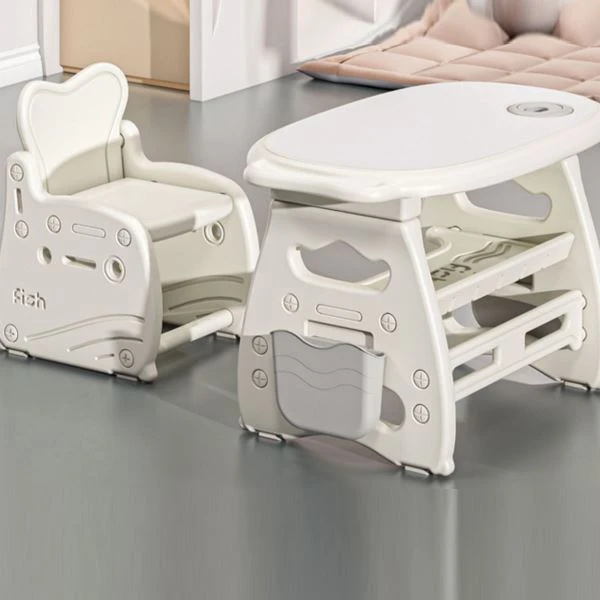
Another option is to use a Baby Table Mould. These are perfect for creating small, cute tables, maybe for a child's room or a patio area. You could add some wooden accents to the edges of the tabletop. You can cut thin strips of wood, stain them to match your decor, and then attach them to the tabletop using a strong adhesive. The table mould ensures that the tabletop has a consistent shape, and the wooden accents just take it to the next level.
A Square Table Mould also offers great opportunities for wooden accents. You could create a raised wooden frame around the square tabletop. This not only adds durability but also gives the table a more sophisticated look. You can even use different types of wood for different effects. For instance, using a light - colored oak for a modern, airy feel or a dark - stained walnut for a more traditional look.
One of the benefits of using a table mould is that it allows you to be creative. You're not limited to just one design. You can mix and match different materials and accents. For example, you could use a plastic - based material for the main body of the table, which is molded using the table mould, and then pair it with wooden accents. This combination can create a unique and eye - catching piece of furniture.
But it's not all sunshine and rainbows. There are a few challenges you might face when using a table mould for tables with wooden accents. One of the main issues is the bonding between the materials. Wood and other materials, like plastic, might have different expansion and contraction rates due to changes in temperature and humidity. This can cause the wooden accents to loosen or crack over time. To combat this, you need to make sure you're using the right adhesives and fasteners. There are special glues and screws available that are designed to work well with different materials. You might also want to consider sealing the wood with a waterproof finish to prevent it from warping or splitting.
Another challenge is getting the alignment right. If you're adding wooden accents to a table that's been molded, you need to ensure that everything lines up perfectly. Any misalignment can make the table look unprofessional. You can use clamps and measuring tools to make sure the wooden accents are placed exactly where you want them.

Now, let's talk about some tips and tricks for making the most of a table mould when adding wooden accents. First, it's a good idea to test out your design on a small scale before going all - in. You can make a small sample of the table using a smaller piece of the mould. This way, you can see how the wooden accents look and make any necessary adjustments.
Second, don't be afraid to experiment with different types of wood. Each type of wood has its own unique grain pattern, color, and texture. You might find that a particular type of wood works better for your design than others. For example, pine is a soft, lightweight wood that's easy to work with, while teak is a more durable and weather - resistant option.
Finally, take your time with the finishing touches. Sand the wooden accents to a smooth finish. You can use different grits of sandpaper to achieve a really nice texture. Then, apply a stain or a clear coat to protect the wood and enhance its appearance.
As a table mould supplier, I've seen firsthand the amazing things that can be done when you combine a table mould with wooden accents. The possibilities are endless, whether you're a professional furniture maker or a DIY enthusiast.
If you're excited about the idea of using a table mould to create tables with wooden accents, I'd love to hear from you. Whether you have questions, need advice on which table mould is right for your project, or you're ready to place an order, don't hesitate to reach out. You can start exploring our wide range of table moulds on our website and see which one catches your eye. We're here to support you every step of the way in creating that perfect table.
References
General knowledge in the furniture - making industry regarding the use of table moulds and wooden accents.
Personal experience as a table mould supplier dealing with various furniture - related projects.