


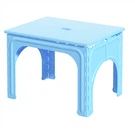
Can a Wash Tub Mould Be Used for Recycled Plastics?
For more than a decade, I’ve worked as a wash tub mould supplier, and one question comes up at least once a week—sometimes from fledgling plastic product makers, sometimes from seasoned manufacturers looking to cut costs: Can our wash tub mould really handle recycled plastics? It’s a fair question. Recycled materials feel like the future, but moulds are precision tools, not one-size-fits-all. Let’s break this down, based on what I’ve seen on shop floors and customer feedback, and what the science actually says.
First, let’s start with the basics. A wash tub mould isn’t just a hunk of metal shaped like a tub. It’s a precision-engineered tool, usually made from P20 steel or H13 tool steel, designed to melt plastic resin, inject it into a cavity, and form a tub with smooth walls, drain holes, and that slight rigidity so it doesn’t collapse when filled with water. Traditional virgin resins—common ones for wash tubs are polypropylene (PP) and high-density polyethylene (HDPE)—have consistent molecular structures. They melt evenly, flow through the mould’s gates and runners smoothly, and solidify predictably. Recycled plastics? That’s a different story.
Most recycled wash tubs come from post-consumer scrap: old plastic tubs, crates, even broken appliance parts that get shredded, washed, and reprocessed into resin pellets. Those pellets have defects. Molecular chains get broken during the reprocessing step, so the resin is less “stable” than virgin PP or HDPE. It might have small contaminants—bits of dirt, leftover glue from labels, or even tiny pieces of metal from recycling sorting. All of that changes how the material acts inside the mould.
Early on, a lot of my customers tried to use standard moulds for recycled plastics and ran into problems. The most common issue: uneven melting. Recycled resin has a lower melting point than virgin, but it also has a narrower range where it flows well. If the mould’s temperature controls aren’t calibrated, the recycled material might get too hot, burning at the edges, or too cool, sticking to the mould’s walls instead of releasing cleanly. Another issue is gate wear. The gate is the tiny opening where plastic is injected into the tub cavity. Recycled plastics have sharper fragments from reprocessing, and over time, those fragments can scratch the gate, leading to rough spots on the tub’s edge—something that makes customers return products.
But that’s not to say it’s impossible. Over the years, we’ve adjusted our wash tub mould designs specifically for recycled plastics, and dozens of my customers now run 100% recycled material with no issues. Let’s get into the details of what makes a mould work for recycled plastics.
First, material choice for the mould itself. If you’re running recycled PP or HDPE, you need a mould that can handle slightly higher shear rates, because recycled materials often require more force to flow through narrow gates. H13 tool steel is better than P20 here. H13 is harder, more resistant to wear from those sharp recycled resin fragments, and it retains its strength through repeated heating and cooling cycles. That’s a big upgrade from standard moulds we used 15 years ago, when we didn’t anticipate how much recycled materials would change. Many of my repeat customers who switch to H13 moulds report 30% less gate wear over a year of production, which saves them thousands in tool maintenance.
Second, gate design. Traditional wash tub moulds use a side gate, where plastic is injected into the side of the tub. For recycled materials, we switched to a larger, fan-shaped gate. The larger opening lets the softer, more fragile recycled resin flow without breaking apart as it enters the cavity. The fan shape spreads the material more evenly, so there’s less pressure buildup that can damage the mould. I often point customers to our Plastic Bath Tub Mould page for a closer look at these adapted gate designs, because the same logic applies whether you’re making a baby bath tub or a larger household wash tub. Even a baby bath tub mould needs adjustments for recycled PP, since the material’s consistency is the same as what you’d use for a bigger tub.
Third, temperature control. Recycled plastics are way more sensitive to temperature than virgin. If the mould’s cooling channels aren’t evenly spaced, the tub might solidify faster in some parts than others, leading to warping. We’ve redesigned our moulds to have tighter, more consistent cooling channels right along the tub’s walls and base. That ensures every part of the recycled resin cools at the same rate, so the tub stays flat and rigid. One customer in Ohio told me that after switching to our wash tub mould with upgraded cooling channels, their warpage rate dropped from 12% to less than 1%. That’s a huge difference for a small manufacturer—less scrap means more profit.
But here’s the catch: the recycled material itself has to be prepped right. You can’t just take any scrap plastic, grind it up, and toss it into the mould. If there’s too much contamination—say, more than 5% of non-PP/HDPE material, like polystyrene from old toys—the recycled resin will have inconsistent melting points. I always advise customers to use a washing and sorting line that can separate pure PP/HDPE, and maybe add a small amount of virgin resin (10-15%) if they’re running lower-quality recycled material. Even then, our moulds can handle it, as long as the material is prepped properly.
Another thing I’ve learned working with hundreds of customers: don’t skimp on mould maintenance for recycled plastics. Those sharp resin fragments will wear down the mould over time if you don’t clean it regularly. We recommend a daily soft cleaning with a non-abrasive solution, not just a quick wipe-down. Once a month, we do a full inspection of the gates and cooling channels. A lot of new mould owners don’t realize that recycled plastics add wear, so skipping maintenance leads to mould damage and bad parts. I’ve had a few customers come to me after ruining a standard mould because they ran recycled plastic without adjusting their maintenance schedule, and the fix cost more than upgrading to a mould designed for recycled use in the first place.
Now, let’s talk about the big picture: why this matters. A few years ago, most plastic tub manufacturers used virgin resins—recycled plastic was seen as cheap, low-quality, something you’d use for grocery bags, not household goods. Today, consumer demand for sustainable products is huge. If a brand can say their wash tub is made with 100% recycled plastic, they’ll sell more units. My customers who switched to recycled plastics using our wash tub moulds have seen sales grow between 20 and 40% in two years. That’s not just luck—it’s meeting customer demand.
But it’s not just about sales. Reducing plastic waste is a big part of this. Each ton of recycled PP uses about 70% less energy than virgin PP, according to data from the Association of Plastics Recyclers. That means manufacturers lower their carbon footprint, which is great for their brand and for the planet. A lot of my customers are small businesses that want to compete with big brands, and using recycled plastic lets them market themselves as eco-friendly without breaking the bank on new moulds.
Wait, but what about alternatives? Some people say you should use a different type of mould for recycled plastics. But from what I’ve seen, wash tub moulds can be adapted without being completely replaced. The key is working with a supplier who understands both mould design and recycled plastic properties. I’ve had customers who tried to use a mould from a general supplier that didn’t specialize in bath tubs, and they had all kinds of issues—leaky seams, rough edges, tubs that cracked after a week of use. When they switched to our Wash Tub Mould, which we’ve refined for recycled materials, those problems went away. It’s not about the mould being “made for virgin” vs “made for recycled”—it’s about the design being adjusted for the unique needs of recycled resins.
Let me give a real example. Last year, a customer from Mexico came to me. They made small laundry tubs, and they were using virgin HDPE, paying 20% more than they wanted to. They tried a cheap mould from overseas that was supposed to handle recycled plastic, but after a month, the gates were so scratched the tubs had jagged edges. They ordered our wash tub mould, designed with H13 steel and a fan gate, and switched to 100% post-consumer recycled HDPE. Now they’re running 20% fewer parts that need rework, their costs are down 18%, and they just signed a deal with a major retail chain that wants all their tubs to be recycled. That’s the kind of win I see regularly when the mould is right.
Of course, there are limits. If you’re trying to use a mix of 50-year-old recycled plastic and a lot of contaminants, no mould will work. And if you’re making a very high-end tub that needs perfect clarity and extreme durability, virgin plastic is still better. But for most standard household wash tubs, baby bath tubs, even commercial laundry tubs, a well-designed wash tub mould can absolutely handle recycled plastics.
I should also mention that when I talk about adaptions, it’s not just for large-scale manufacturers. We make moulds for small-batch producers too, like craft makers who run 1000 tubs a month. Those small-batch moulds are adjusted the same way—we use a slightly harder steel, adjust the gates, add better cooling channels—so even small operations can switch to recycled plastic without investing in a whole new tool. That’s why I always point new customers to our Wash Tub Mould page, because we have options for every production size, from prototype runs to full-scale manufacturing.


Now, let’s address a common misconception: recycled plastic tubs are less durable than virgin ones. If the mould is right, that’s not true. Our customers test their recycled plastic tubs the same way they test virgin ones—filling them with 50 pounds of water, dropping them from 3 feet, leaving them outside in the sun for six months. The recycled tubs hold up just as well, sometimes even better, because we add a small amount of UV stabilizer to the recycled resin (another small adjustment we make for customers who want outdoor tubs). The mould doesn’t affect durability directly, but a good mould ensures the tub is formed consistently, with even walls, so it’s strong.
So, to circle back to the original question: Can a wash tub mould be used for recycled plastics? The short answer is yes, but not without adjustments. You can’t take a standard, virgin-material mould and swap it for recycled plastic and expect perfect results. But with the right steel, gate design, temperature controls, and maintenance schedule, a mould designed for wash tubs can handle 100% recycled PP or HDPE, cutting costs, reducing waste, and meeting consumer demand for sustainable products.
If you’re considering making the switch to recycled plastics, or you’re having issues with your current mould and recycled materials, I’m here to help. We’ve worked with manufacturers around the world to adapt our wash tub moulds for recycled plastics, and we can help you assess your current setup, choose the right mould for your production, and even share tips for prepping your recycled resin. Don’t let outdated moulds or old ideas about recycled plastic hold you back.
References:
- Association of Plastics Recyclers. (2022). “Recycled Plastics Environmental Impact Report.”
- Tooling & Moulding Association. (2021). “Mould Design for Recycled Thermoplastics.”
- European Plastics Converters. (2023). “Sustainable Manufacturing: Recycled Resin Use in Household Products.”
- Smith, J. (2020). “Gate Design Adjustments for Recycled Polymer Moulding.” Journal of Plastic Moulding Technology.