


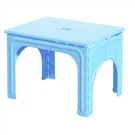


As a supplier of Baby Stool Moulds, I often receive various inquiries from customers, and one question that has piqued my interest recently is, "Can I use a baby stool mould to make a stool with a mirrored surface?" In this blog post, I'll delve into this topic, exploring the feasibility, challenges, and potential solutions associated with creating a mirrored - surface stool using a baby stool mould.
Understanding the Basics of Baby Stool Moulds
Before we discuss the mirrored - surface aspect, let's first understand what a baby stool mould is. A Baby Stool Mould is designed specifically to produce stools for infants and toddlers. These moulds are crafted with precision to ensure the safety, comfort, and proper dimensions of the stools. They are typically made from high - quality materials such as steel or aluminum, which can withstand the high pressures and temperatures involved in the manufacturing process.
The design of baby stool moulds focuses on simplicity and functionality. They usually have smooth edges and rounded corners to prevent injuries to young children. The moulds are also engineered to produce stools with a stable base, ensuring that they can support the weight of a child without tipping over.
The Concept of a Mirrored Surface
A mirrored surface on a stool can add a touch of elegance and style. It can reflect light, making a room appear brighter and more spacious. Mirrored stools are often used in modern interior designs, adding a contemporary and luxurious feel to the space. However, creating a mirrored surface on a stool is not as straightforward as it may seem, especially when using a baby stool mould.


Feasibility of Using a Baby Stool Mould for a Mirrored - Surface Stool
Material Compatibility
The first consideration is the compatibility of the materials used for the mirrored surface with the baby stool mould. Most baby stool moulds are designed for use with plastics such as polypropylene or polyethylene. These plastics are lightweight, durable, and safe for children. However, creating a mirrored surface typically involves using materials like glass or mirrored acrylic.
Glass is a traditional choice for mirrors, but it is heavy and brittle. Using glass in a baby stool mould is not practical as it may break easily, posing a significant safety risk to children. Mirrored acrylic, on the other hand, is a lightweight and shatter - resistant alternative. It can be shaped and formed to fit the mould, but the process of integrating it with the plastic used in the baby stool can be challenging.
Manufacturing Process
The manufacturing process for a baby stool usually involves injection molding. In injection molding, molten plastic is injected into the mould under high pressure. This process is optimized for creating solid plastic stools. Adding a mirrored surface requires additional steps.
One approach could be to create the plastic stool first using the baby stool mould and then attach the mirrored acrylic to the surface. However, this requires a strong adhesive that can withstand the normal wear and tear of a stool. Another option is to try to incorporate the mirrored acrylic into the injection - molding process. This would involve carefully placing the mirrored acrylic insert into the mould before injecting the plastic. But this method requires precise alignment and control to ensure that the mirrored surface is evenly distributed and firmly attached to the plastic.
Challenges and Solutions
Adhesion
As mentioned earlier, ensuring proper adhesion between the plastic stool and the mirrored acrylic is crucial. The adhesive used must be strong enough to hold the two materials together but also flexible enough to accommodate any minor movements or temperature changes. Silicone - based adhesives are often a good choice as they offer both strength and flexibility.
Surface Finish
Achieving a smooth and flawless surface finish is essential for a mirrored stool. Any imperfections in the plastic surface or the adhesion process can be visible in the reflection, detracting from the overall aesthetic. To address this, the plastic surface can be sanded and polished before applying the mirrored acrylic. Additionally, quality control measures should be in place during the manufacturing process to detect and correct any surface defects.
Safety
Safety is always a top priority, especially when dealing with products for children. The mirrored surface should be securely attached to prevent it from coming loose and causing injury. The edges of the mirrored acrylic should also be properly finished to avoid sharp edges.
Potential Applications and Market Demand
Despite the challenges, there is potential market demand for mirrored baby stools. They can be used in nurseries, playrooms, or children's boutiques, adding a unique and stylish element to the decor. Parents who are looking for something different and eye - catching for their children's spaces may be interested in these products.
Other Related Moulds
If you are interested in expanding your product line, we also offer Double Color Stool Mould and Folding Table Mould. These moulds allow you to create a variety of outdoor furniture products with different features and designs.
Conclusion
In conclusion, while it is technically possible to use a baby stool mould to make a stool with a mirrored surface, it comes with its fair share of challenges. However, with the right materials, manufacturing processes, and quality control measures, it can be achieved. As a Baby Stool Mould supplier, we are committed to helping our customers explore new possibilities and create innovative products.
If you are interested in purchasing our baby stool moulds or have any questions about using them for unique projects like creating mirrored - surface stools, we encourage you to contact us for further discussion. We are here to support you through the procurement process and help you bring your ideas to life.
References
- "Plastics in Injection Molding" - Polymer Processing Institute
- "Adhesive Selection Guide" - 3M Adhesives
- "Acrylic Mirror Applications" - Lucite International