


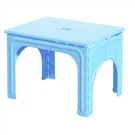


As a supplier of Wash Tub Moulds, I've witnessed firsthand the importance of weight consistency in the wash tubs produced by these moulds. Weight consistency isn't just a number; it's a critical factor that reflects the quality, performance, and reliability of the final product. In this blog, I'll delve into the various factors that can affect the weight consistency of wash tubs produced by a mould.
1. Mould Design
The design of the mould is the foundation for producing wash tubs with consistent weights. A well - designed mould ensures uniform material distribution during the manufacturing process.


- Cavity Design: The shape and size of the mould cavities play a crucial role. If the cavities are not precisely designed, it can lead to uneven filling of the plastic material. For example, if one part of the cavity is narrower than the other, the plastic may flow more slowly in that area, resulting in a thinner and lighter section of the wash tub. This can cause significant weight variations between different tubs produced from the same mould.
- Gate Design: The gate is the entry point for the plastic material into the mould cavity. The size, location, and number of gates can affect the flow pattern of the plastic. A poorly designed gate can cause issues such as jetting, where the plastic shoots into the cavity too quickly, or uneven filling. For instance, if the gate is too small, it may restrict the flow of plastic, leading to incomplete filling and a lighter - than - expected wash tub.
2. Material Properties
The type and quality of the plastic material used to produce the wash tubs are also key factors in weight consistency.
- Material Density: Different plastics have different densities. Even within the same type of plastic, variations in density can occur due to differences in the manufacturing process of the raw material. For example, if the density of the plastic resin used fluctuates from batch to batch, it will directly affect the weight of the wash tubs. A higher - density plastic will result in a heavier wash tub, while a lower - density plastic will produce a lighter one.
- Moisture Content: Moisture in the plastic material can have a significant impact on the final weight of the wash tub. When plastic is heated during the moulding process, moisture can turn into steam, which can cause voids in the final product. These voids reduce the overall weight of the wash tub. Additionally, moisture can also affect the flow properties of the plastic, leading to uneven filling and inconsistent weights.
3. Manufacturing Process
The manufacturing process itself is a complex set of operations, and any variance in these operations can affect the weight consistency of the wash tubs.
- Injection Moulding Parameters: In injection moulding, parameters such as injection pressure, injection speed, and holding pressure are critical. If the injection pressure is too low, the plastic may not fill the mould cavity completely, resulting in a lighter wash tub. On the other hand, if the injection pressure is too high, it can cause excessive flash (excess plastic around the edges of the tub), which can increase the weight. Similarly, the injection speed affects how quickly the plastic fills the cavity. A slow injection speed may lead to uneven cooling and solidification, while a fast injection speed can cause air entrapment and voids.
- Mould Temperature: The temperature of the mould during the manufacturing process is crucial for ensuring consistent weights. If the mould temperature is too low, the plastic may solidify too quickly, preventing complete filling of the cavity and resulting in a lighter wash tub. Conversely, if the mould temperature is too high, the plastic may flow too freely, causing flash and increasing the weight.
4. Machine Performance
The injection moulding machine used to produce the wash tubs must be in good working condition to ensure weight consistency.
- Screw Wear: The screw in the injection moulding machine is responsible for melting and conveying the plastic material. Over time, the screw can wear out, which can affect the amount of plastic being fed into the mould. A worn - out screw may not be able to deliver a consistent volume of plastic, leading to weight variations in the wash tubs.
- Hydraulic System: The hydraulic system of the injection moulding machine controls the movement of the mould and the injection of the plastic. Any issues with the hydraulic system, such as leaks or inconsistent pressure, can affect the injection process and ultimately the weight of the wash tubs.
5. Operator Skill
The skill and experience of the operator running the injection moulding machine can also have an impact on weight consistency.
- Process Monitoring: An experienced operator knows how to monitor the manufacturing process closely. They can detect early signs of problems, such as changes in the injection pressure or temperature, and take corrective actions immediately. For example, if the operator notices that the weight of the wash tubs is starting to deviate, they can adjust the injection parameters to bring the weight back to the desired range.
- Quality Control: Operators are also responsible for conducting quality control checks during the production process. They need to measure the weight of the wash tubs at regular intervals and ensure that they meet the specified weight tolerance. If an operator fails to perform these checks or does not have the necessary skills to interpret the results, weight inconsistencies may go unnoticed.
6. Maintenance and Cleaning
Regular maintenance and cleaning of the mould are essential for ensuring weight consistency.
- Mould Erosion: Over time, the mould can erode due to the high - pressure injection of plastic. Erosion can change the shape and size of the mould cavity, which can affect the weight of the wash tubs. For example, if the walls of the cavity become thinner due to erosion, the wash tubs produced may be lighter.
- Contamination: Dirt, debris, or residual plastic in the mould can also affect the weight of the wash tubs. Contamination can block the gates or cause uneven filling of the cavity, leading to weight variations. Regular cleaning of the mould can prevent these issues.
Importance of Weight Consistency
Weight consistency is not just about meeting a specification; it has real - world implications for the performance and usability of the wash tubs.
- Product Performance: A wash tub with consistent weight is more likely to have consistent structural integrity. If the weight varies significantly from one tub to another, it may indicate differences in the thickness of the walls, which can affect the tub's strength and durability.
- Customer Satisfaction: Customers expect a certain level of quality and consistency from the products they purchase. Wash tubs with inconsistent weights may lead to customer complaints and a loss of trust in the brand.
Conclusion
As a supplier of Wash Tub Mould, I understand the importance of weight consistency in the wash tubs produced by our moulds. By paying attention to factors such as mould design, material properties, manufacturing process, machine performance, operator skill, and maintenance, we can ensure that our customers receive high - quality wash tubs with consistent weights.
If you're in the market for a reliable Plastic Bath Tub Mould or Wash Tub Mould, we're here to help. Our team of experts can work with you to design and manufacture a mould that meets your specific requirements and ensures the weight consistency of your wash tubs. Contact us to start a discussion about your procurement needs and let's work together to create the perfect solution for your business.
References
- "Injection Moulding Handbook" by O. Olajide
- "Plastics Materials and Processing" by James F. Carley
- Industry reports on injection moulding best practices