


Hey there! As a supplier of PS Box Moulds, I often get asked about the acid-alkali resistance of the products made using our moulds. So, I thought I'd take some time to break it down for you in this blog post.
First off, let's talk a bit about what PS (polystyrene) is. PS is a widely used plastic material known for its rigidity, clarity, and ease of processing. It's commonly used in various applications, from disposable food containers to packaging materials. When we're talking about products made from PS using our PS Box Moulds, we're looking at items that are used in a variety of environments, some of which might expose them to acidic or alkaline substances.
The acid-alkali resistance of PS products depends on a few factors. One of the key factors is the concentration and type of the acid or alkali they come into contact with. Generally speaking, PS has a moderate resistance to weak acids and alkalis. For example, it can withstand mild acidic solutions like vinegar (which is an acetic acid solution) and weak alkaline solutions like diluted baking soda solutions.
However, when it comes to stronger acids and alkalis, PS starts to show some limitations. Strong acids such as sulfuric acid or hydrochloric acid can react with PS over time. These strong acids can break down the polymer chains in PS, causing the material to become brittle, discolored, or even dissolve in extreme cases. Similarly, strong alkalis like sodium hydroxide can also have a negative impact on PS. They can cause the surface of the PS product to become rough and can eventually lead to structural damage.
Another factor that affects the acid-alkali resistance is the duration of exposure. Even a weak acid or alkali can cause damage if the PS product is exposed to it for a long period. For instance, if a PS food container made using our Round Food Container Mould is left filled with a slightly acidic fruit juice for days on end, it might start to show signs of degradation.
Now, let's talk about how our PS Box Moulds play a role in all of this. The quality of the mould is crucial in determining the final properties of the PS products. Our PS Box Moulds are designed with precision to ensure that the PS products have a uniform thickness and structure. A well - made PS product with a consistent structure is more likely to have better acid-alkali resistance compared to a poorly made one.
When the PS is injected into our moulds, we control the process parameters carefully. This includes the temperature, pressure, and injection speed. By optimizing these parameters, we can ensure that the PS molecules are arranged in an orderly manner, which enhances the overall performance of the product, including its acid-alkali resistance.
In addition, we can also offer some customization options for our moulds. For example, if you need PS products with enhanced acid-alkali resistance for a specific application, we can work on modifying the mould design or suggest using a different grade of PS that has better chemical resistance.

Let's take a look at some real - world applications. In the food industry, PS products made from our Food Container Mould are commonly used. These containers are usually in contact with various food items, some of which can be slightly acidic or alkaline. As long as the food is stored for a reasonable amount of time and the acidity or alkalinity is within a normal range, our PS containers can perform well.
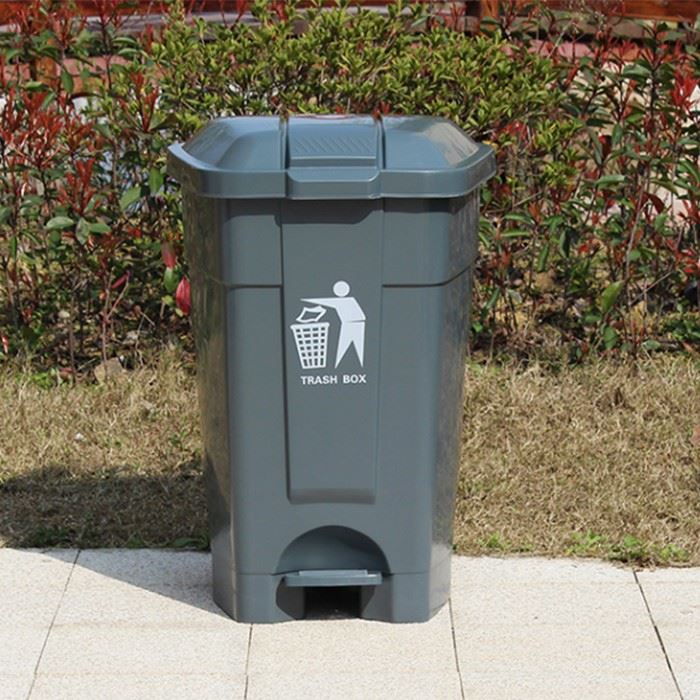
In the household waste management area, products made using our moulds can also be found. For example, Dust Bin Mould products are often exposed to different types of waste, some of which might contain acidic or alkaline substances. Our dust bins made from PS can handle normal household waste without significant issues, but if they are exposed to industrial waste with high - strength acids or alkalis, special considerations need to be taken.
So, if you're in the market for PS Box Moulds and are concerned about the acid-alkali resistance of the products made from them, we've got you covered. We have the expertise and experience to provide you with high - quality moulds that can produce PS products with the best possible acid-alkali resistance for your specific needs.
Whether you're a manufacturer of food containers, dust bins, or other PS products, we're here to help you create products that meet your quality standards. If you're interested in discussing your requirements further or have any questions about our PS Box Moulds, don't hesitate to reach out. We'd love to have a chat with you and see how we can work together to bring your product ideas to life.
In conclusion, while PS has its limitations when it comes to acid-alkali resistance, with the right mould design and proper usage, products made using our PS Box Moulds can perform well in a variety of environments. We're committed to providing you with the best solutions and helping you succeed in your business.
References:
- "Plastics Science and Technology" by John Murphy
- "Handbook of Plastic Materials and Technology" edited by Irving I. Rubin