

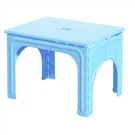


As a long - standing bath tub mould supplier, I've encountered numerous challenges and queries from customers over the years. One question that frequently pops up is, "What is the best way to dispose of an old bath tub mould?" This is a crucial topic not only from an environmental perspective but also for the operational efficiency of businesses in the bath tub manufacturing industry.
Understanding the Composition of Bath Tub Moulds
Before delving into the disposal methods, it's essential to understand what bath tub moulds are made of. Most bath tub moulds, like the [Wash Tub Mould](/baby - toy - mould/bath - tub - mould/wash - tub - mould.html) and [Plastic Bath Tub Mould](/baby - toy - mould/bath - tub - mould/plastic - bath - tub - mould.html), are typically crafted from materials such as steel, aluminum, or high - grade plastics. Steel moulds are known for their durability and ability to withstand high - pressure injection processes. Aluminum moulds, on the other hand, are lighter and offer better heat conductivity, which can speed up the manufacturing process. Plastic moulds are often used for less complex designs and are more cost - effective.
The composition of the mould greatly influences the disposal method. For instance, metal moulds have different recycling requirements compared to plastic ones.
Recycling: The First and Foremost Option
Recycling is the most environmentally friendly way to dispose of an old bath tub mould. When a mould reaches the end of its useful life, recycling can significantly reduce the demand for raw materials and energy consumption.
Metal Mould Recycling
For steel and aluminum bath tub moulds, recycling is a well - established process. Steel can be melted down and reused to create new steel products, including other types of moulds or construction materials. Aluminum is also highly recyclable, and the recycling process requires only a fraction of the energy needed to produce new aluminum from bauxite ore.
To recycle metal bath tub moulds, you can contact local metal recycling facilities. These facilities are equipped with the necessary machinery to handle large - scale metal items. They will assess the quality of the metal, clean it if necessary, and then melt it down for reuse.
Plastic Mould Recycling
Plastic bath tub moulds are a bit more challenging to recycle due to the variety of plastic types used. Different plastics have different melting points and chemical properties, which means they need to be sorted carefully before recycling.
Some advanced recycling facilities can handle complex plastic products like bath tub moulds. They use processes such as mechanical recycling, where the plastic is shredded, melted, and reformed into new plastic products. Chemical recycling is another option, which breaks down the plastic into its basic chemical components for reuse. However, chemical recycling is still in its early stages of development and is not as widely available as mechanical recycling.
Repurposing: Giving a New Life to Old Moulds
If recycling is not an option, repurposing the old bath tub mould can be a creative and practical solution.
Art and Decoration
Old bath tub moulds can be transformed into unique pieces of art or decorative items. For example, a large steel mould can be cut and shaped into a modern - style sculpture. Plastic moulds can be painted and used as planters for indoor or outdoor plants. This not only gives the mould a new purpose but also adds a touch of creativity to your surroundings.
DIY Projects
For the more hands - on individuals, old bath tub moulds can be used in various DIY projects. A plastic mould can be modified to create a custom - made storage container. You can also use parts of a metal mould to build a small workbench or a tool rack.
Landfill Disposal: A Last Resort
Landfill disposal should be the last option for old bath tub moulds. This method has significant environmental drawbacks. Metal moulds take a long time to decompose, and they can leach heavy metals into the soil over time. Plastic moulds are even more problematic as they can persist in the environment for hundreds of years and contribute to plastic pollution.
If landfill disposal is unavoidable, it's crucial to ensure that the mould is properly wrapped and disposed of in a designated landfill site that follows environmental regulations.
Factors to Consider When Choosing a Disposal Method
When deciding on the best way to dispose of an old bath tub mould, several factors need to be considered.
Cost
Recycling and repurposing may involve some upfront costs, such as transportation fees to the recycling facility or the cost of materials for repurposing. However, in the long run, these methods can save money by reducing the need for new raw materials. Landfill disposal may seem cheap at first, but it can have hidden costs in terms of environmental damage and potential legal liabilities.
Environmental Impact
As mentioned earlier, recycling and repurposing have a much lower environmental impact compared to landfill disposal. By choosing these methods, you are contributing to a more sustainable future.
Availability of Facilities
The availability of recycling and repurposing facilities in your area can also influence your decision. If there are no nearby facilities that can handle bath tub moulds, you may have to explore other options.
Conclusion
In conclusion, the best way to dispose of an old bath tub mould depends on its composition, the availability of recycling and repurposing facilities, and your budget. Recycling is the most environmentally friendly option, followed by repurposing. Landfill disposal should only be used as a last resort.
As a bath tub mould supplier, I encourage all our customers to consider these disposal methods not only for environmental reasons but also for the long - term viability of the bath tub manufacturing industry. By properly disposing of old moulds, we can reduce waste, conserve resources, and create a more sustainable future.


If you are in the market for high - quality bath tub moulds, including [Wash Tub Mould](/baby - toy - mould/bath - tub - mould/wash - tub - mould.html) and [Plastic Bath Tub Mould](/baby - toy - mould/bath - tub - mould/plastic - bath - tub - mould.html), feel free to reach out to discuss your specific requirements. We are committed to providing top - notch products and excellent customer service.
References
- "Recycling of Metals: A Review" by X. Zhang and Y. Xu
- "Plastic Recycling: Challenges and Opportunities" by J. Smith
- "Sustainable Manufacturing Practices in the Mould Industry" by R. Johnson