



The injection temperature of a big dustbin mould is a crucial factor that significantly impacts the quality, efficiency, and overall performance of the manufacturing process. As a leading supplier of Big Dustbin Moulds, we understand the complexities and importance of this parameter. In this blog post, we will delve into the details of what injection temperature means, its influencing factors, and how to optimize it for the best results.
Understanding Injection Temperature
Injection temperature refers to the temperature at which the plastic material is melted and injected into the big dustbin mould. This temperature is carefully controlled to ensure that the plastic flows smoothly into all the cavities of the mould, filling them completely and forming the desired shape of the dustbin. The right injection temperature can lead to a well - formed, high - quality dustbin with excellent mechanical properties, while an incorrect temperature can result in defects such as warping, sink marks, or incomplete filling.
Influencing Factors of Injection Temperature
Plastic Material Type
Different types of plastics have different melting points and flow characteristics. For example, polyethylene (PE), which is commonly used in making big dustbins, has a relatively low melting point compared to polycarbonate (PC). PE typically requires an injection temperature in the range of 160 - 220°C, while PC may need a temperature between 280 - 320°C. As a supplier, we need to precisely identify the plastic material our customers will use and recommend the appropriate injection temperature accordingly.
Mould Design
The design of the big dustbin mould also affects the injection temperature. A complex mould with thin walls or intricate details may require a higher injection temperature to ensure that the plastic can flow into all the corners. On the other hand, a simple mould with thick walls may allow for a slightly lower injection temperature. For instance, if the dustbin has a large, solid base and thin sidewalls, the injection temperature may need to be adjusted during the process to ensure uniform filling.
Machine Capabilities
The injection moulding machine itself has limitations and capabilities regarding temperature control. Some machines can maintain a very precise temperature, while others may have a certain degree of temperature fluctuation. Our company takes into account the machine specifications provided by the customers and offers guidance on how to set the injection temperature within the machine's capabilities to achieve the best results.
Optimal Injection Temperature Ranges for Big Dustbin Moulds
Based on our extensive experience as a Big Dustbin Mould supplier, for most common plastic materials used in big dustbins, such as high - density polyethylene (HDPE) and polypropylene (PP), the following injection temperature ranges are generally recommended:
- HDPE: The injection temperature for HDPE usually ranges from 180 - 230°C. At this temperature range, HDPE has good flowability, which allows it to fill the big dustbin mould evenly. It also helps to reduce the internal stress of the final product, resulting in a more stable and durable dustbin.
- PP: Polypropylene typically requires an injection temperature between 200 - 260°C. This temperature range ensures that PP can flow smoothly through the runner system of the mould and into all the cavities, creating a high - quality dustbin with good surface finish and mechanical strength.
Importance of Controlling Injection Temperature
Product Quality
Controlling the injection temperature is essential for maintaining product quality. If the temperature is too low, the plastic may not flow properly, leading to incomplete filling of the mould and visible defects on the dustbin. On the other hand, if the temperature is too high, the plastic may degrade, resulting in a loss of mechanical properties, such as reduced strength and impact resistance.
Production Efficiency
Proper injection temperature control can also improve production efficiency. When the temperature is set correctly, the cycle time of the injection moulding process can be optimized. The plastic can fill the mould quickly and solidify at an appropriate rate, reducing the overall production time and increasing the output of big dustbins.
Cost - Effectiveness
By controlling the injection temperature accurately, we can also reduce production costs. A well - controlled temperature means less waste due to defective products. It also helps to extend the lifespan of the mould and the injection moulding machine, as excessive temperature can cause wear and tear on these components.
Other Related Moulds and Their Applications
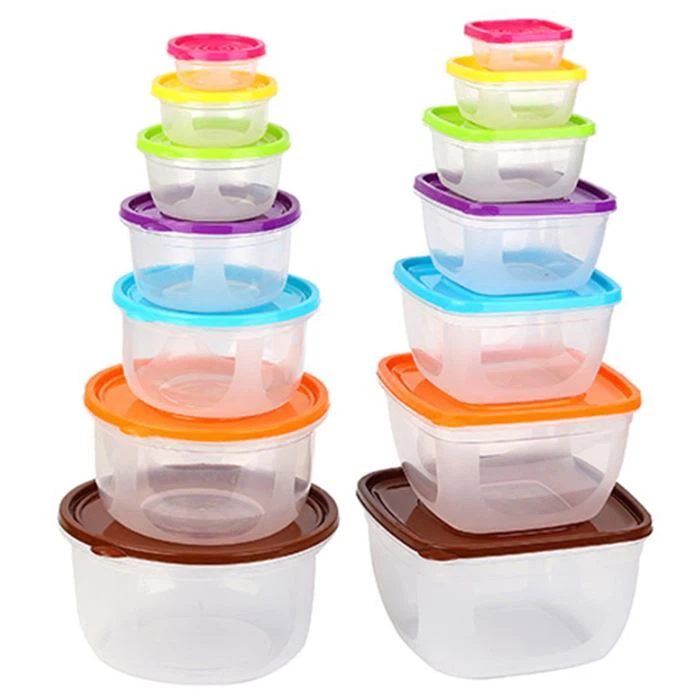
In addition to Big Dustbin Moulds, our company also offers a wide range of other high - quality moulds, such as Round Food Container Mould, Square Food Container Mould, and Jug Mould. These moulds are designed with precision and are suitable for various household and kitchen applications. Just like with big dustbin moulds, the injection temperature for these moulds also needs to be carefully controlled according to the plastic material and mould design.
Conclusion
As a Big Dustbin Mould supplier, we recognize the critical role of injection temperature in the manufacturing process. By understanding the influencing factors, optimal temperature ranges, and the importance of temperature control, we can provide our customers with the best advice and high - quality moulds. If you are interested in our Big Dustbin Moulds or other related moulds, we encourage you to contact us for further discussion and procurement negotiation. Our team of experts is always ready to assist you in achieving the best results in your injection moulding projects.

References
- "Injection Moulding Handbook" by O. Olanipekun and A. A. Adesina
- "Plastics Processing Technology" by J. F. Carley