




Hey there! As a table mould supplier, I've seen firsthand how important it is to keep these moulds in tip - top shape. Table moulds are a significant investment, and proper maintenance can not only extend their lifespan but also ensure the quality of the tables produced. So, let's dive into what maintenance a table mould needs.
Regular Cleaning
The first and most basic maintenance task for a table mould is regular cleaning. After each use, the mould should be cleaned to remove any residual material, like plastic, resin, or other substances used to make the tables. You don't want any leftover bits from one production run affecting the next one.
A simple way to clean a table mould is to use a mild detergent and warm water. Gently scrub the surface of the mould with a soft - bristle brush. This helps to dislodge any stubborn debris without scratching the mould. For more stubborn residues, you might need a specialized cleaning solution. But always make sure to test it on a small, inconspicuous area of the mould first to avoid any damage.

After cleaning, rinse the mould thoroughly with clean water to remove all traces of the detergent or cleaning solution. Then, dry it completely. Leaving moisture on the mould can lead to rust or corrosion, especially if the mould is made of metal. You can use a clean, dry cloth to wipe it down, or let it air - dry in a well - ventilated area.
Inspection for Damage
Regular inspection is crucial for table moulds. You should check the mould for any signs of damage, such as cracks, chips, or dents, before and after each use. Even a small crack can cause problems during the table - making process, like uneven surfaces or leaks.
For visual inspections, use good lighting and take your time to look over every part of the mould. Pay special attention to the edges and corners, as these are the areas most likely to get damaged. If you find any damage, it's important to address it as soon as possible.
Minor damage can sometimes be repaired. For example, small chips can be filled with a suitable filler material, and then sanded smooth. But for more significant damage, like large cracks, it might be necessary to replace the mould. Ignoring damage can lead to more extensive problems down the line and result in poor - quality tables.
Lubrication
Lubrication is another important aspect of table mould maintenance. Lubricating the moving parts of the mould, such as hinges or slides, helps to reduce friction and wear. This ensures that the mould operates smoothly and that the tables can be easily removed from the mould after production.
There are different types of lubricants available, and the choice depends on the material of the mould and the type of production process. For example, silicone - based lubricants are often a good choice for plastic or rubber moulds, as they are non - reactive and can provide long - lasting lubrication.
When applying lubricant, make sure to follow the manufacturer's instructions. Use just the right amount – too little won't be effective, and too much can attract dirt and debris. Apply the lubricant evenly to the moving parts, and then wipe off any excess.
Storage
Proper storage of table moulds is essential when they're not in use. Moulds should be stored in a clean, dry, and temperature - controlled environment. Extreme temperatures and humidity can cause damage to the moulds.
If possible, store the moulds on a flat surface to prevent warping. You can also use protective covers to keep dust and debris off the moulds. Labeling the moulds during storage can make it easier to find the right one when you need it.
Specific Maintenance for Different Types of Table Moulds
We offer a variety of table moulds, such as Baby Table Mould, Rattan Table Mould, and Square Table Mould. Each type may have some specific maintenance requirements.
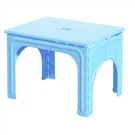
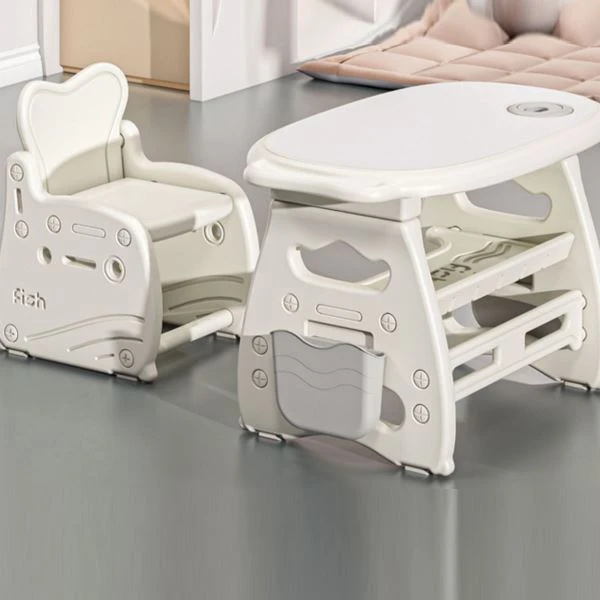
Baby Table Mould: These moulds are often used to produce smaller, more delicate tables. They may require more careful handling during cleaning and inspection to avoid damage. Since baby tables need to meet high - quality and safety standards, the moulds should be maintained to ensure a smooth and defect - free surface.
Rattan Table Mould: Rattan - style tables have a unique texture, and the moulds need to maintain that texture over time. Cleaning should be done gently to preserve the fine details of the rattan pattern. Also, make sure to check for any clogging in the small grooves of the pattern, as this can affect the final appearance of the tables.
Square Table Mould: Square table moulds may have straight edges and sharp corners, which are more prone to chipping. Extra care should be taken during handling and inspection to protect these areas. Also, ensure that the corners are properly aligned to produce square - shaped tables accurately.
Preventive Maintenance Schedule
Creating a preventive maintenance schedule is a great way to ensure that all the necessary maintenance tasks are carried out regularly. You can set up a calendar or a checklist to keep track of when each task should be done.
For example, you might schedule a thorough cleaning and inspection of all your table moulds once a month. Lubrication can be done every few uses, depending on the frequency of production. And a deep - clean and more detailed inspection can be carried out quarterly or annually.
By following a preventive maintenance schedule, you can catch potential problems early and avoid costly repairs or replacements in the future.
Training and Education
If you have a team working with the table moulds, it's important to provide them with proper training on maintenance. They should know how to clean, inspect, lubricate, and store the moulds correctly.
Training can include hands - on demonstrations, as well as written instructions. Make sure your team understands the importance of maintenance and how it affects the quality of the tables produced. Encourage them to report any issues they notice during their work, so that problems can be addressed promptly.
Conclusion
Maintaining table moulds is a multi - faceted process that requires attention to detail and regular upkeep. By following the steps of regular cleaning, inspection, lubrication, proper storage, and having a preventive maintenance schedule, you can keep your table moulds in excellent condition.
Whether you're using Baby Table Mould, Rattan Table Mould, or Square Table Mould, proper maintenance will ensure that you get the most out of your investment and produce high - quality tables consistently.
If you're interested in purchasing table moulds or have any questions about their maintenance, don't hesitate to reach out. We're here to help you with all your table - mould needs and ensure that you have a smooth and successful production process.
References
- General Mould Maintenance Guidebooks
- Industry - specific Journals on Mould Manufacturing and Maintenance