


In the realm of manufacturing and crafting, the question of whether a table mould can be used in combination with other tools is a topic that holds significant importance. As a supplier of high - quality table moulds, I've had the privilege of witnessing firsthand the diverse applications and innovative uses of these moulds in various industries. In this blog post, I'll delve into the possibilities of using table moulds in tandem with other tools, exploring the benefits, challenges, and real - world examples.
The Complementary Nature of Table Moulds and Other Tools
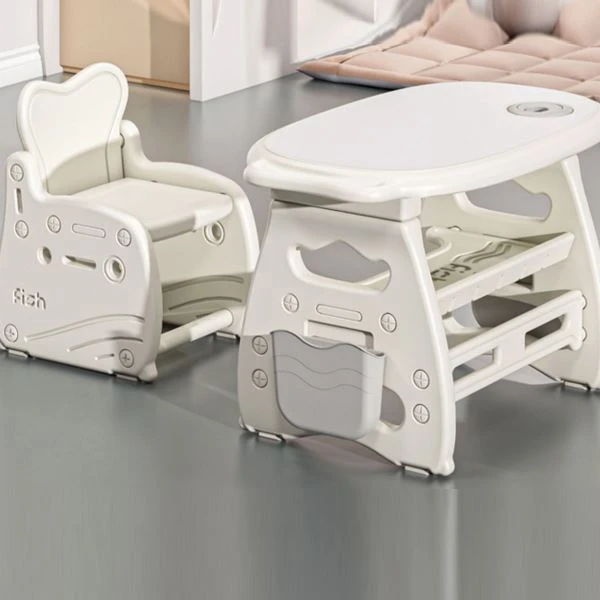
Table moulds come in a wide variety of shapes, sizes, and materials, such as Rattan Table Mould, Baby Table Mould, and Square Table Mould. Each type of mould is designed to create a specific table design, but their functionality can be greatly enhanced when paired with other tools.
Cutting Tools
Cutting tools, such as saws and lasers, are essential when working with table moulds. After the table is formed in the mould, it may require trimming or shaping to achieve the desired dimensions. For example, a laser cutter can be used to precisely cut the edges of a table made from a Square Table Mould, ensuring a clean and accurate finish. This combination allows for greater flexibility in design and can create tables with unique shapes and patterns that would be difficult to achieve with the mould alone.
Finishing Tools
Finishing tools, like sanders and polishers, play a crucial role in enhancing the appearance and quality of tables produced from table moulds. A sander can smooth out any rough surfaces or imperfections on the table, giving it a professional look. After sanding, a polisher can be used to add a glossy finish, making the table more appealing to customers. When using a Rattan Table Mould, finishing tools can bring out the natural beauty of the rattan - like texture, making the table look even more authentic.
Measuring Tools
Accuracy is key in manufacturing, and measuring tools are indispensable when using table moulds. Tools such as calipers and rulers are used to ensure that the table produced in the mould meets the required specifications. By regularly measuring the dimensions of the table during and after the manufacturing process, any deviations can be corrected promptly. This is especially important when producing multiple tables from the same mould, as it ensures consistency in size and quality.
Benefits of Combining Table Moulds with Other Tools
Enhanced Design Capabilities
The combination of table moulds and other tools allows for a wider range of design possibilities. Manufacturers can create tables with intricate details, unique shapes, and custom finishes that would be impossible to achieve with just a mould. For example, by using a laser cutter in conjunction with a Baby Table Mould, it's possible to add decorative patterns or cut - outs to the baby table, making it more attractive and personalized.
Improved Efficiency
Using other tools in combination with table moulds can significantly improve the manufacturing process's efficiency. For instance, a CNC (Computer Numerical Control) machine can be programmed to perform multiple tasks, such as cutting and drilling, on a table produced from a mould. This reduces the time and labor required for manual operations, increasing productivity and reducing costs.

Higher Quality Products
The use of complementary tools helps to ensure that the final products are of higher quality. Finishing tools can eliminate rough edges and surface defects, while measuring tools ensure that the tables meet the exact specifications. This results in tables that are more durable, aesthetically pleasing, and marketable.
Challenges and Considerations
While the combination of table moulds and other tools offers numerous benefits, there are also some challenges and considerations to keep in mind.
Compatibility
One of the main challenges is ensuring the compatibility of the table mould and the other tools. Different tools may have different operating requirements, such as power sources, speed settings, and material compatibility. For example, some cutting tools may not be suitable for use with certain types of table materials produced from the mould. It's essential to carefully research and select tools that are compatible with the specific table mould and the materials being used.
Training and Skill Requirements
Using multiple tools in combination requires a certain level of skill and training. Operators need to be familiar with the operation of each tool and how to integrate them effectively into the manufacturing process. This may require additional training for employees, which can increase costs and time.
Cost
Investing in additional tools can be expensive. The cost of purchasing, maintaining, and operating cutting tools, finishing tools, and measuring tools can add up quickly. Manufacturers need to carefully consider the cost - benefit analysis before deciding to combine table moulds with other tools.
Real - World Examples
In the outdoor furniture industry, the combination of table moulds and other tools is widely used. For example, a company that specializes in producing outdoor rattan tables uses a Rattan Table Mould to create the basic shape of the table. After the table is formed, they use a sanding machine to smooth the surface and a painting tool to apply a weather - resistant coating. This combination of tools results in high - quality outdoor rattan tables that are both durable and visually appealing.
In the children's furniture market, manufacturers often use Baby Table Mould to produce baby tables. To add a personal touch, they use a laser cutter to engrave cute patterns on the table surface. This not only makes the baby tables more attractive but also differentiates them from competitors' products.
Conclusion
In conclusion, a table mould can indeed be used in combination with other tools, and this combination offers numerous benefits in terms of design capabilities, efficiency, and product quality. However, it also comes with challenges such as compatibility, training requirements, and cost. By carefully considering these factors and making informed decisions, manufacturers can leverage the power of table moulds and other tools to create high - quality, innovative tables.
If you're interested in exploring the possibilities of using our table moulds in your manufacturing process, or if you have any questions about combining table moulds with other tools, we'd love to hear from you. Our team of experts is ready to assist you in finding the best solutions for your specific needs. Contact us to start a procurement discussion and take your table manufacturing to the next level.
References
- "Manufacturing Processes for Design Professionals" by Steven D. Eppinger and Craig M. Ulrich.
- "Tool and Manufacturing Engineers Handbook" published by Society of Manufacturing Engineers.