

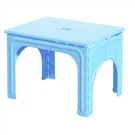


Hey there! As a supplier of Baby Table Mould, I often get asked some interesting questions. One that pops up quite a bit is, "Can I use a baby table mould for fiberglass?" Well, let's dive right into this topic and break it down.
First off, let's talk about what a baby table mould is. It's a specialized tool designed to create baby - sized tables. These moulds are crafted with precision to ensure that the final product has the right dimensions, shape, and details for a baby's use. They're usually made from high - quality materials that can withstand the process of creating multiple table replicas.
Now, fiberglass is a popular material in the manufacturing world. It's strong, lightweight, and relatively easy to work with. Fiberglass is made by combining fine glass fibers with a resin, which then hardens to form a solid structure. It's used in all sorts of applications, from boat hulls to automotive parts, and even in some furniture.
So, can you use a baby table mould for fiberglass? The short answer is, it depends. There are a few factors to consider.
Compatibility of Materials
The first thing to think about is the compatibility between the baby table mould material and fiberglass. Most baby table moulds are made from materials like silicone, polyurethane, or metal. Silicone moulds are flexible and can easily release the finished product. Polyurethane moulds are durable and can handle high - pressure casting. Metal moulds, on the other hand, are extremely strong and can be used for high - volume production.
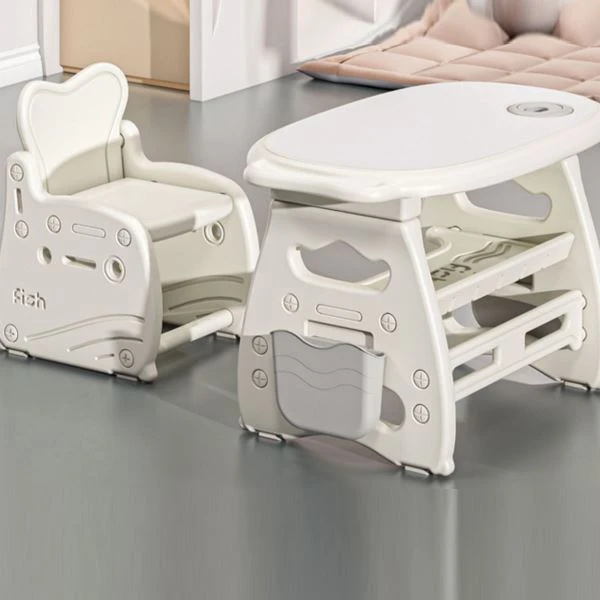

Fiberglass resin, when it cures, can generate heat. You need to make sure that the mould material can withstand this heat without warping or deforming. For example, some low - quality silicone moulds might not be able to handle the heat generated during the fiberglass curing process. If the mould warps, the final baby table made of fiberglass will come out with the wrong shape or dimensions.
Surface Finish
Another important aspect is the surface finish. Baby table moulds are designed to give a smooth and safe surface for babies. Fiberglass, when properly finished, can also have a smooth surface. However, the way fiberglass adheres to the mould can affect the final finish. If the mould has a very smooth surface, the fiberglass might not have enough texture to grip during the curing process, which could lead to air bubbles or uneven surfaces.
On the flip side, if the mould has a slightly textured surface, it can help the fiberglass adhere better. But you need to make sure that the texture isn't too rough, as it could transfer onto the final baby table, making it less safe for babies.
Release Agent
Using a release agent is crucial when working with fiberglass in a baby table mould. A release agent is a substance that you apply to the mould before pouring in the fiberglass. It helps the fiberglass separate from the mould once it's cured. There are different types of release agents available, such as wax - based, silicone - based, and PVA (polyvinyl alcohol) - based.
You need to choose a release agent that is compatible with both the mould material and the fiberglass resin. If you use the wrong release agent, it can either leave a residue on the fiberglass or prevent the fiberglass from curing properly.
Advantages of Using a Baby Table Mould for Fiberglass
If you can get everything right, there are some advantages to using a baby table mould for fiberglass.
Cost - Effective
Fiberglass is generally less expensive than some other materials used for baby tables, like solid wood or high - end plastics. By using a baby table mould with fiberglass, you can produce baby tables at a lower cost, which can be great for your budget if you're planning to make a large number of tables.
Durability
Fiberglass is a very durable material. Baby tables made from fiberglass can withstand more wear and tear compared to tables made from some other materials. They're less likely to crack or break, which is important considering how rough babies can be with their toys and furniture.
Design Flexibility
With a baby table mould, you can create tables with all sorts of designs. Fiberglass can take on the shape of the mould very well, allowing you to produce baby tables with unique patterns and details. You can even add color to the fiberglass resin before pouring it into the mould, giving you more design options.
Disadvantages of Using a Baby Table Mould for Fiberglass
Of course, there are also some downsides.
Health Concerns
Fiberglass can be a health hazard if not handled properly. The fine glass fibers can become airborne during the manufacturing process, and if inhaled, they can cause respiratory problems. You need to take proper safety precautions, such as wearing a respirator and working in a well - ventilated area.
Limited Lifespan of the Mould
The process of using fiberglass in a baby table mould can wear down the mould over time. The heat generated during curing and the chemicals in the fiberglass resin can gradually damage the mould material. This means that you might need to replace the mould more frequently compared to using it with other materials.
Other Types of Table Moulds
If you're interested in table moulds, we also offer Square Table Mould and Rattan Table Mould. These moulds are designed for different types of tables, whether it's for outdoor use or to achieve a unique rattan - like look.
Conclusion
So, in conclusion, using a baby table mould for fiberglass is possible, but it comes with its own set of challenges. You need to carefully consider the compatibility of materials, the surface finish, and use the right release agent. If you can manage these aspects, you can enjoy the cost - effectiveness, durability, and design flexibility that fiberglass offers.
If you're thinking about using our baby table moulds for fiberglass or any other application, or if you're interested in our Square Table Mould and Rattan Table Mould, feel free to reach out for a purchase negotiation. We're here to help you make the best - quality baby tables and other table products.
References
- "Fiberglass Manufacturing Handbook" - A comprehensive guide on fiberglass production and its applications.
- "Mould Design and Manufacturing for Plastics and Composites" - A book that covers the principles of mould design and how different materials interact with moulds.