

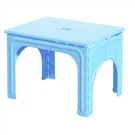


As a supplier of Baby Table Moulds, I often receive inquiries from customers about the potential uses of these moulds, especially whether they can be used for food. This is a crucial question that requires a comprehensive and scientific answer. In this blog post, I will delve into the factors to consider when determining if a baby table mould can be used for food, the potential risks and benefits, and provide some guidance for making an informed decision.
Understanding the Nature of Baby Table Moulds
Baby table moulds are typically designed for creating baby - sized tables, usually made from materials such as plastic, resin, or fiberglass. These materials are chosen for their durability, ease of molding, and ability to create detailed shapes. However, when it comes to food contact, not all materials are suitable.
Plastic is one of the most common materials for baby table moulds. There are different types of plastics, and their safety for food contact varies widely. For example, some plastics may contain harmful chemicals such as bisphenol A (BPA), phthalates, or heavy metals. BPA has been linked to various health issues, including hormonal disruptions, especially in infants and young children. Phthalates are used to make plastics more flexible, but they can also leach into food and have potential negative effects on human health.
Resin and fiberglass are also used in baby table moulds. Resins can be made from a variety of chemicals, and some may not be safe for food contact. Fiberglass is a composite material that consists of fine glass fibers embedded in a resin matrix. While fiberglass itself is generally considered non - toxic, the resin used in the composite may pose risks if it is not food - grade.
Safety Standards for Food - Contact Materials
In many countries, there are strict safety standards for materials that come into contact with food. These standards are designed to protect consumers from harmful chemicals and ensure the safety of the food they consume. For example, in the United States, the Food and Drug Administration (FDA) regulates food - contact materials under the Federal Food, Drug, and Cosmetic Act. The FDA has established specific requirements for different types of materials, including plastics, resins, and coatings.
To be considered food - grade, a material must meet certain criteria. It must be non - toxic, non - migratory, and resistant to degradation when in contact with food. This means that the material should not release harmful chemicals into the food, even under normal use conditions such as exposure to heat, moisture, or acidic or alkaline foods.
When a baby table mould is used for food, it is essential to ensure that the material used in the mould meets these food - safety standards. If the mould does not meet the standards, there is a risk that harmful chemicals could leach into the food, which could be dangerous, especially for infants and young children.
Potential Risks of Using Baby Table Moulds for Food
If a baby table mould is not made from food - grade materials, there are several potential risks associated with using it for food.
Chemical Leaching: As mentioned earlier, non - food - grade plastics, resins, or fiberglass may contain chemicals that can leach into the food. These chemicals can include heavy metals, BPA, phthalates, and other toxic substances. Ingesting these chemicals can have long - term health effects, such as developmental problems, hormonal imbalances, and an increased risk of certain diseases.
Microbial Growth: Baby table moulds are not typically designed to be used in a food - preparation environment. They may have crevices, rough surfaces, or areas where food particles can get trapped. These areas can become breeding grounds for bacteria, mold, and other microorganisms. If the mould is used to make food, these microorganisms can contaminate the food and cause foodborne illnesses.
Contamination from Manufacturing Processes: The manufacturing process of baby table moulds may involve the use of chemicals, lubricants, or additives that are not safe for food contact. If these substances are not properly removed from the mould before it is used for food, they can contaminate the food.
Benefits of Using Specialized Food - Grade Moulds
If you are interested in using a mould for food, it is recommended to use a specialized food - grade mould. These moulds are designed and manufactured specifically for food contact, and they meet the necessary safety standards.
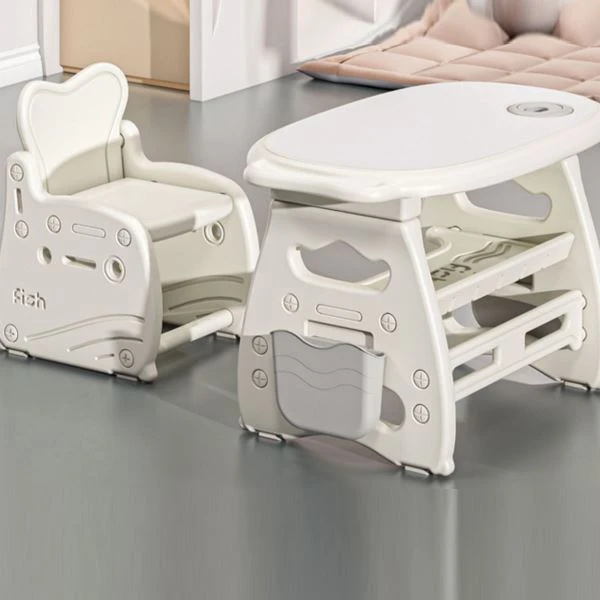

Safety: Food - grade moulds are made from materials that are non - toxic and do not leach harmful chemicals into the food. This ensures the safety of the food and reduces the risk of health problems for consumers.
Hygiene: Food - grade moulds are designed to be easy to clean and sanitize. They have smooth surfaces and are resistant to microbial growth, which helps to prevent foodborne illnesses.
Quality: Specialized food - grade moulds are often of higher quality than non - food - grade moulds. They can produce more consistent and better - looking food products, which can be important for commercial food production or for creating attractive homemade treats.
Our Product Range and Guidance
As a supplier of Baby Table Mould, we also offer a range of other table moulds, such as Rattan Table Mould and Square Table Mould. However, it's important to note that our baby table moulds are primarily designed for creating baby tables and are not intended for food use.
If you are looking for a mould for food, we can provide guidance on finding the right food - grade mould. We can help you understand the different types of materials available, the safety standards they need to meet, and the best options for your specific needs.
We understand that making the right choice for your business or personal use is crucial. That's why we are here to assist you in every step of the process. Whether you are a small - scale food producer or an individual looking to make homemade treats, we can offer valuable advice and support.
Conclusion
In conclusion, while it may be tempting to use a baby table mould for food, it is generally not recommended unless the mould is made from food - grade materials and meets the necessary safety standards. Using non - food - grade moulds for food can pose significant health risks, including chemical leaching, microbial growth, and contamination from manufacturing processes.
If you are interested in using a mould for food, we encourage you to consider using a specialized food - grade mould. Our company can provide guidance on finding the right mould for your needs. If you have any questions or would like to discuss your requirements further, please feel free to reach out to us for more information and to start a procurement discussion. We look forward to helping you make the best choice for your food - related projects.
References
- Food and Drug Administration (FDA). (2023). Regulations on Food - Contact Substances.
- World Health Organization (WHO). (2023). Guidelines on Chemical Safety in Food.
- European Union. (2023). Food - Contact Materials Regulations.