



When it comes to the cost of a table mould, there are numerous factors at play. As a table mould supplier, I've encountered a wide range of inquiries regarding pricing, and I'm here to break down the key elements that influence how much you'll pay for a table mould.
1. Design Complexity
The complexity of the table design is one of the primary factors affecting the cost. A simple, straightforward table design, such as a basic square or rectangular shape with minimal detailing, will generally cost less to produce the mould for. On the other hand, a table with intricate patterns, curves, or unique features will require more time and expertise to create the mould.
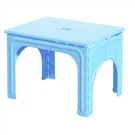
For instance, a Square Table Mould with a plain surface and standard dimensions can be relatively inexpensive. The manufacturing process for such a mould is less labor - intensive and doesn't demand highly specialized tools. In contrast, a Rattan Table Mould that mimics the detailed texture of real rattan requires advanced techniques. The mould maker has to create a negative impression of the complex rattan pattern, which involves precision machining and often multiple steps of finishing. This complexity drives up the cost significantly.
2. Material Selection
The material used to make the table mould also has a substantial impact on its price. There are several options available, each with its own set of advantages and cost implications.

- Aluminum: Aluminum is a popular choice for table moulds due to its relatively low cost, good thermal conductivity, and ease of machining. It is suitable for small - to medium - scale production runs. Aluminum moulds are lightweight, which makes them easier to handle during the manufacturing process. However, they may not be as durable as some other materials and are more prone to wear and tear over time.
- Steel: Steel moulds are known for their high durability and long lifespan. They can withstand high pressures and temperatures, making them ideal for large - scale production. Steel is more expensive than aluminum, but it offers better performance in terms of precision and repeatability. If you plan to produce a large number of tables using the same mould, investing in a steel mould can be cost - effective in the long run.
- Epoxy Resin: Epoxy resin moulds are a more budget - friendly option, especially for prototyping or small - batch production. They are easy to make and can be customized quickly. However, they have limited durability and are not suitable for high - volume production.
3. Size of the Table Mould
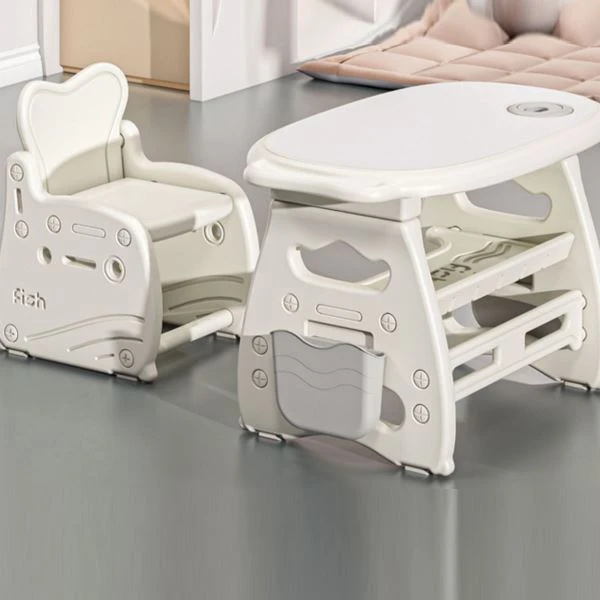
The size of the table mould is another crucial factor in determining its cost. Larger moulds require more material and more machining time. The manufacturing process for a large - scale table mould, such as one for a banquet - sized table, is more complex and time - consuming than that for a Baby Table Mould.
A larger mould also needs more space for storage and transportation, which can add to the overall cost. Additionally, larger moulds may require more powerful equipment to operate, increasing the energy consumption and associated costs during the production process.
4. Quantity of Production
The quantity of tables you plan to produce using the mould can influence the cost per unit of the mould. If you're ordering a single mould for a one - off project, the cost will be relatively high because the mould maker has to cover all the setup costs, including design, machining, and finishing.
However, if you're planning a large - scale production run, the cost per unit of the mould can be significantly reduced. Mould makers often offer volume discounts because they can spread the fixed costs over a larger number of units. For example, if you order 1000 tables to be produced using the same mould, the cost of the mould can be amortized over these 1000 units, resulting in a lower cost per table.
5. Surface Finish Requirements
The desired surface finish of the table can affect the cost of the mould. A smooth, polished surface finish requires more precise machining and additional finishing steps. For example, if you want a high - gloss finish on your table, the mould has to be carefully polished to ensure that the final product has the desired appearance.
On the other hand, a rough or textured surface finish may be less expensive to achieve. Some table designs may call for a natural - looking, rustic finish, which can be created more easily and at a lower cost compared to a highly refined finish.
6. Market Conditions
Market conditions, such as the availability of raw materials and the level of competition among mould makers, can also impact the cost of a table mould. If there is a shortage of a particular material, its price will increase, which in turn will raise the cost of the mould.
Competition in the mould - making industry can work in your favor. When there are many suppliers offering similar table moulds, they may compete on price to win your business. It's important to research the market and get quotes from multiple suppliers to ensure you're getting the best deal.
Cost Estimates
While it's difficult to provide an exact cost for a table mould without knowing the specific requirements, we can give some general estimates.
- A simple aluminum Baby Table Mould with a basic design and a smooth finish may cost anywhere from $500 to $2000. This is suitable for small - scale production or prototyping.
- A medium - sized Square Table Mould made of steel for medium - to large - scale production can range from $3000 to $10,000. The cost will depend on the complexity of the design and the surface finish requirements.
- A complex Rattan Table Mould made of high - quality steel with a detailed surface finish can cost upwards of $15,000. This type of mould is typically used for high - end furniture production.
Conclusion
In conclusion, the cost of a table mould is determined by a combination of factors, including design complexity, material selection, size, production quantity, surface finish requirements, and market conditions. As a table mould supplier, we understand that each customer has unique needs, and we are committed to providing high - quality moulds at competitive prices.
If you're in the market for a table mould, we encourage you to reach out to us. Our team of experts can work with you to understand your specific requirements and provide you with a detailed quote. We have the experience and resources to produce moulds that meet your exact specifications, whether you're a small - business owner looking for a cost - effective solution or a large - scale manufacturer in need of a durable and high - precision mould.
Contact us today to start the conversation about your table mould needs. We look forward to working with you to bring your table designs to life.
References
- "Mould Making Technology" by Peter F. Jacobs. This book provides in - depth knowledge about the various aspects of mould making, including material selection, design considerations, and manufacturing processes.
- Industry reports on the mould - making sector, which offer insights into market trends, cost factors, and competitive landscape.