


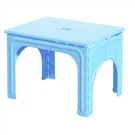
Hey there! I'm a supplier of stool moulds, and I've got a ton of experience in this field. Today, I'm gonna share with you the best practices for using a new stool mould. Whether you're a newbie in the business or just looking to improve your mould - using skills, this blog is for you.
1. Pre - use Inspection
Before you start using a new stool mould, a thorough inspection is a must. First, check for any visible damages like cracks, scratches, or rough edges. These can affect the quality of the stools you'll be producing. Look at the mould's surface finish. A smooth surface is crucial for getting a high - quality finish on your stools. If you notice any imperfections, it's better to address them right away. You can use some fine - grit sandpaper to smooth out small rough spots.
Also, make sure all the moving parts of the mould, if any, are working properly. For example, if it's a mould with a sliding mechanism, test it to ensure it moves smoothly. This pre - use inspection can save you a lot of headaches down the road.
2. Cleaning and Preparation
Once the inspection is done, it's time to clean the mould. Use a mild detergent and warm water to clean the surface. Avoid using harsh chemicals that could damage the mould. After cleaning, dry the mould thoroughly. You can use a clean, dry cloth or let it air - dry.
Next, apply a mould release agent. This is super important as it helps the stool come out of the mould easily after it's formed. There are different types of release agents available in the market, like silicone - based or wax - based ones. Choose the one that's suitable for your specific mould material. Apply the release agent evenly on the entire surface of the mould using a brush or a spray. Make sure to follow the manufacturer's instructions for the release agent.
3. Material Selection
The choice of material for your stools is crucial. Different types of stools require different materials. For example, if you're making Pc Stool Mould, you might want to use polycarbonate, which is strong and durable. On the other hand, for Baby Stool Mould, you'll need a non - toxic and soft material to ensure the safety of the little ones.
When selecting the material, consider its properties such as strength, flexibility, and heat resistance. Also, make sure the material is compatible with the mould. Some materials might react with the mould surface, causing damage or affecting the quality of the final product.
4. Mould Temperature Control
Controlling the temperature of the mould is key to getting good - quality stools. Different materials have different optimal processing temperatures. For example, if you're using a thermoplastic material, you need to heat the mould to a certain temperature to make the material flow and take the shape of the mould.
Use a reliable temperature control system to monitor and adjust the mould temperature. This can prevent issues like warping, cracking, or uneven surfaces on the stools. If the temperature is too high, the material might over - cure or burn, while a too - low temperature can result in incomplete filling of the mould.
5. Injection or Pouring Process
If you're using an injection moulding process, make sure the injection pressure is set correctly. Too much pressure can cause the material to overflow or damage the mould, while too little pressure can lead to incomplete filling. Follow the recommended injection speed and pressure for your specific material and mould.
For a pouring process, pour the material slowly and steadily into the mould. This helps to avoid air bubbles getting trapped in the mould, which can affect the quality of the stool. You can use a degassing process to remove any air bubbles before the material sets.
6. Demoulding
Once the stool has cooled and set in the mould, it's time to demould it. Be gentle during this process to avoid damaging the stool or the mould. If you've applied the release agent properly, the stool should come out easily. If there are any parts that seem stuck, you can use a demoulding tool like a pry bar or a spatula, but be careful not to scratch the mould.
7. Post - use Maintenance
After using the mould, clean it again to remove any remaining material. This helps to prevent the build - up of residue, which can affect the performance of the mould in the future. Store the mould in a dry and clean place. If possible, cover it to protect it from dust and other contaminants.
Regularly inspect the mould for any signs of wear and tear. If you notice any issues, repair them as soon as possible. This can extend the lifespan of the mould and ensure consistent quality of the stools you produce.
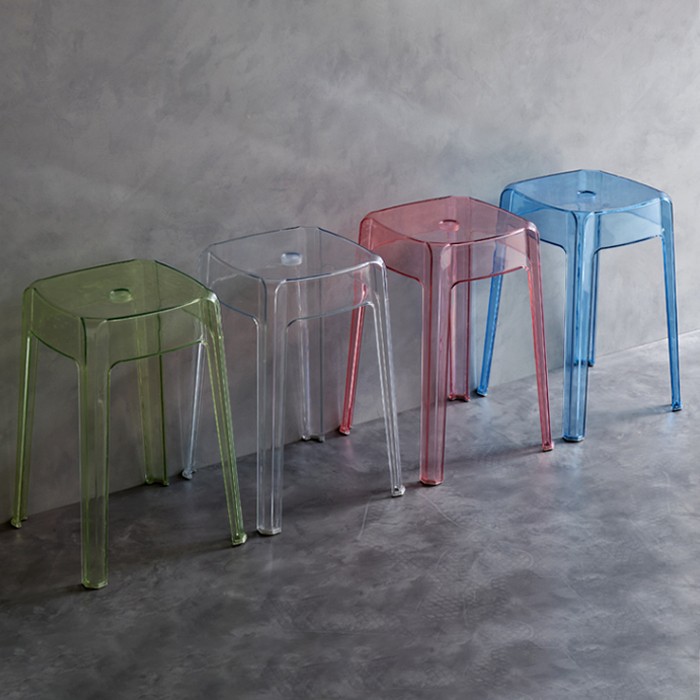

8. Training and Skill Development
If you have a team working with the stool moulds, make sure they are properly trained. Training should cover all aspects of using the mould, from pre - use inspection to post - use maintenance. Encourage your team to share their experiences and learn from each other.
Skill development is an ongoing process. Keep up with the latest technologies and best practices in the industry. Attend workshops or training sessions to improve your knowledge and skills.
9. Quality Control
Implement a strict quality control system. Inspect each stool produced to ensure it meets the required standards. Check for any defects like cracks, uneven surfaces, or incorrect dimensions. If you find any issues, analyze the cause and take corrective actions. This can help you improve the quality of your stools and reduce waste.
10. Continuous Improvement
The world of stool moulding is constantly evolving. Look for ways to improve your processes, whether it's by using better materials, upgrading your equipment, or optimizing your production methods. Keep an eye on industry trends and new technologies.
In conclusion, using a new stool mould effectively requires a combination of proper inspection, cleaning, material selection, temperature control, and post - use maintenance. By following these best practices, you can produce high - quality stools and make the most of your investment in the mould.
If you're interested in purchasing our high - quality stool moulds, we'd love to have a chat with you. Whether you're looking for Pc Stool Mould, Baby Stool Mould, or Folding Table Mould, we've got you covered. Just reach out to us for a detailed discussion and we'll work together to meet your specific needs.
References
- Industry standards for stool moulding
- Manufacturer's guidelines for mould materials and release agents
- Experience and knowledge gained from years of working in the stool mould industry