


Impact resistance is a crucial factor when it comes to table moulds. As a table mould supplier, I have witnessed firsthand the significance of this characteristic in ensuring the quality and durability of the final products. In this blog post, I will delve into the concept of impact resistance in table moulds, exploring its importance, the factors that influence it, and how it affects the overall performance of the tables produced.
Understanding Impact Resistance
Impact resistance refers to the ability of a material or object to withstand sudden forces or impacts without breaking, cracking, or deforming significantly. In the context of table moulds, it is essential because tables are often subjected to various types of impacts during their use, such as being bumped into, having heavy objects placed on them, or experiencing accidental drops. A table mould with high impact resistance will produce tables that can endure these situations without suffering major damage, ensuring their longevity and functionality.
Importance of Impact Resistance in Table Moulds
Durability
One of the primary reasons why impact resistance is so important in table moulds is that it directly contributes to the durability of the tables. Tables are long - term investments for consumers, whether they are used in homes, offices, or commercial settings. A table that can resist impacts is less likely to develop cracks or breakages over time, which means it will last longer and provide better value for money. For example, in a busy restaurant, tables are constantly being moved around and have heavy plates and utensils placed on them. A table made from a mould with high impact resistance will be able to withstand this rough handling and remain in good condition for years.
Safety
Impact resistance also plays a vital role in ensuring the safety of users. A table that shatters or breaks easily upon impact can pose a serious hazard, especially if there are sharp edges or pieces. This is particularly important in environments where children or the elderly are present, such as in schools or nursing homes. By using table moulds with high impact resistance, we can produce tables that are less likely to cause injuries in case of an accident.
Aesthetics
In addition to durability and safety, impact resistance can also affect the aesthetics of the tables. A table with cracks or dents is not only less functional but also less visually appealing. A table mould that can produce tables with good impact resistance will help maintain the smooth and flawless appearance of the tables, enhancing their overall aesthetic value.
Factors Affecting the Impact Resistance of Table Moulds
Material Selection
The material used to make the table mould is one of the most significant factors influencing its impact resistance. Different materials have different mechanical properties, and some are more resistant to impacts than others. For example, steel is known for its high strength and impact resistance, making it a popular choice for table moulds. On the other hand, plastics can also offer good impact resistance, especially engineered plastics like polycarbonate, which are often used in the production of lightweight and durable table moulds.
Design of the Mould
The design of the table mould also plays a crucial role in determining its impact resistance. A well - designed mould will distribute the impact forces evenly across the table, reducing the stress concentration at any one point. This can be achieved through features such as reinforced corners, proper ribbing, and a balanced shape. For instance, a table mould with rounded corners is less likely to crack under impact compared to one with sharp corners, as the rounded shape helps to disperse the forces more effectively.
Manufacturing Process
The manufacturing process of the table mould can also affect its impact resistance. Precise manufacturing techniques ensure that the mould has consistent quality and strength throughout. For example, injection moulding is a common process used to make table moulds. If the injection parameters, such as temperature, pressure, and injection speed, are not properly controlled, it can lead to defects in the mould, such as voids or uneven thickness, which can reduce its impact resistance.

Impact Resistance and Different Types of Table Moulds
Rattan Table Mould
Rattan table moulds are often used to create tables with a natural and rustic look. These tables are popular for outdoor use, such as in gardens or patios. Impact resistance is particularly important for rattan - style tables because they are exposed to the elements and may be subject to accidental impacts from objects like garden tools or children's toys. A high - impact - resistant rattan table mould will ensure that the tables can withstand these impacts and remain in good condition for outdoor use.
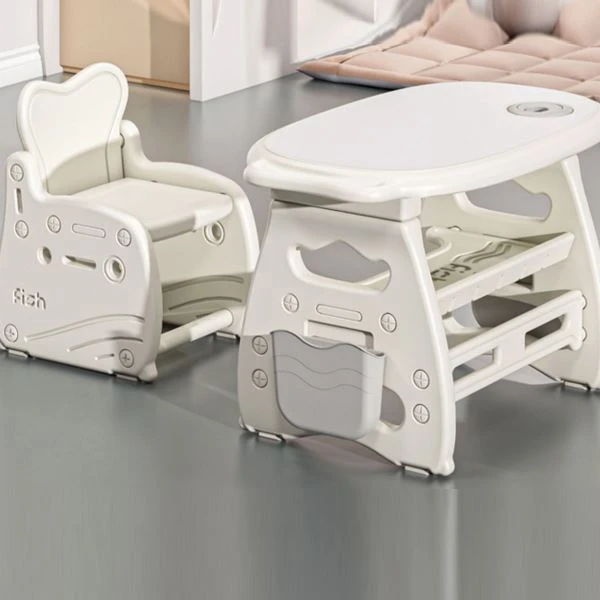
Baby Table Mould
Baby table moulds are designed to produce tables for children. Safety is the top priority when it comes to baby tables, and impact resistance is a key factor in ensuring this. Babies and toddlers are prone to bumping into things and may even try to climb on the tables. A baby table made from a mould with high impact resistance will be less likely to break or cause injuries in case of an accident.
Square Table Mould
Square table moulds are widely used in various settings, from dining rooms to conference rooms. The impact resistance of square table moulds is important because square tables often have sharp corners, which can be more vulnerable to impacts. A well - designed square table mould with high impact resistance will help prevent damage to the corners and edges, ensuring the table remains in good shape for a long time.
Testing the Impact Resistance of Table Moulds
To ensure that our table moulds meet the required standards of impact resistance, we conduct various tests. One common test is the drop test, where a weighted object is dropped onto the table at a specific height and speed. The table is then inspected for any signs of damage, such as cracks or deformation. Another test is the pendulum impact test, which measures the energy absorbed by the table when struck by a swinging pendulum. These tests help us to evaluate the impact resistance of our table moulds and make any necessary adjustments to the design or material selection.
Conclusion
In conclusion, the impact resistance of a table mould is a critical factor that affects the durability, safety, and aesthetics of the tables produced. As a table mould supplier, we understand the importance of providing high - quality moulds with excellent impact resistance. By carefully selecting materials, designing the moulds effectively, and using proper manufacturing processes, we can ensure that our table moulds meet the needs of our customers.
If you are in the market for table moulds and are looking for products with high impact resistance, we would love to hear from you. Whether you need Rattan Table Mould, Baby Table Mould, or Square Table Mould, we have the expertise and experience to provide you with the best solutions. Contact us today to start a discussion about your table mould requirements.
References
- Callister, W. D., & Rethwisch, D. G. (2011). Materials Science and Engineering: An Introduction. Wiley.
- Ashby, M. F. (2011). Materials Selection in Mechanical Design. Butterworth - Heinemann.
- Dieter, G. E. (1986). Mechanical Metallurgy. McGraw - Hill.