


Hey there! I'm a supplier of Baby Table Mould, and today I wanna chat about something super important when it comes to baby tables made with a mould: the weight capacity.
First off, let's understand why weight capacity matters. A baby table isn't just for show; it's meant to be used. Babies and toddlers will put their toys, snacks, and sometimes even themselves on these tables. If the table can't handle the weight, it could tip over or break, which is a huge safety risk. So, getting the right weight capacity is crucial for both the functionality and safety of the baby table.
When we talk about the weight capacity of a baby table made with a mould, there are several factors that come into play. The material used is a biggie. Different materials have different strength and durability levels. For example, if the table is made from a high - quality plastic through the moulding process, it might have a decent weight capacity. Plastic is often lightweight but can be engineered to be quite strong. On the other hand, if it's made from a cheaper, flimsier plastic, the weight capacity will be much lower.
The design of the table also affects its weight - bearing ability. A table with a wider base is generally more stable and can handle more weight compared to one with a narrow base. The thickness of the tabletop and the legs also matters. Thicker components can usually support more weight without bending or breaking.
Now, let's dig a bit deeper into how the mould impacts the weight capacity. A well - designed Baby Table Mould allows for consistent production of high - quality baby tables. The mould determines the shape, size, and structure of the table. If the mould is precision - made, it can create tables with uniform thickness and proper reinforcement in the right places. For instance, a mould that creates ribs or supports inside the table legs can significantly increase the table's weight capacity.
As a supplier, I've seen a wide range of baby tables made from our moulds. Some of the smaller, more basic baby tables might have a weight capacity of around 10 - 15 kilograms. These are usually the ones designed for very young babies who just use the table for light play, like stacking a few blocks or having a small snack.
On the other hand, larger and more sturdily - built baby tables can handle up to 30 kilograms or more. These are suitable for older toddlers who might be more active on the table, climbing on it or using it to support heavier items.
It's also important to note that the weight distribution on the table matters. Even if a table has a high weight capacity, if all the weight is concentrated in one small area, it can still cause problems. For example, if a toddler puts a heavy toy in one corner of the table, it might put too much stress on that part of the table and cause it to crack or tip.
When we're making the Baby Table Mould, we take all these factors into account. We work closely with designers and engineers to ensure that the mould produces tables that are both safe and functional. We test different prototypes to see how they perform under various weight loads and weight distributions.
Another aspect to consider is the type of use the baby table will get. If it's going to be used indoors on a flat, stable surface, the weight capacity requirements might be a bit different compared to a table that will be used outdoors on uneven ground. Outdoor tables need to be more robust to handle the additional stresses and potential movement.
We also offer different types of moulds, like Square Table Mould and Rattan Table Mould. Each of these can create baby tables with different weight capacities. Square tables, for example, often have a more stable base due to their shape, which can contribute to a higher weight capacity. Rattan - style tables, while giving a more natural and stylish look, might have different weight - bearing characteristics depending on how the rattan pattern is incorporated into the design.
If you're in the business of making baby tables or are looking to start, choosing the right mould is essential. A good mould can make all the difference in the quality and weight capacity of the final product. You want a mould that will allow you to produce tables that meet safety standards and can handle the expected weight loads.

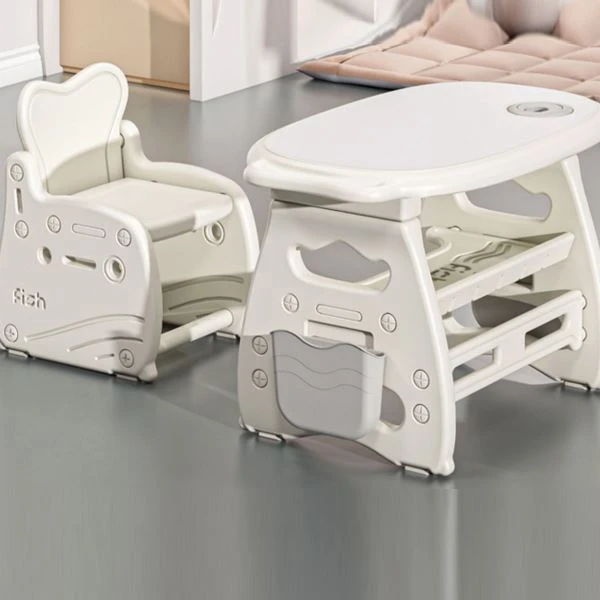
As a supplier, I'm always here to help you make the right choice. Whether you need a mould for a small, lightweight baby table or a larger, more heavy - duty one, we have the expertise and the range of products to meet your needs. We can provide you with detailed information about the weight capacity of the tables that our moulds can produce and offer advice on the best design and material combinations for your specific requirements.
If you're interested in learning more about our Baby Table Mould or any of our other mould products, don't hesitate to reach out. We're happy to have a chat, answer your questions, and discuss how we can work together to create high - quality baby tables.
In conclusion, the weight capacity of a baby table made with a mould is influenced by many factors, including the material, design, and the quality of the mould itself. By understanding these factors and choosing the right mould, you can produce baby tables that are safe, functional, and can handle the weight of your little ones' activities.
References
- General knowledge of baby product safety standards and manufacturing processes.
- Internal research and testing data from our mould production and table prototyping.